
Beat Any Escape Room: ten real strategies from Mark Rober
Genuine escape-room technique rather than luck, built for the puzzle-loving end of primary school.
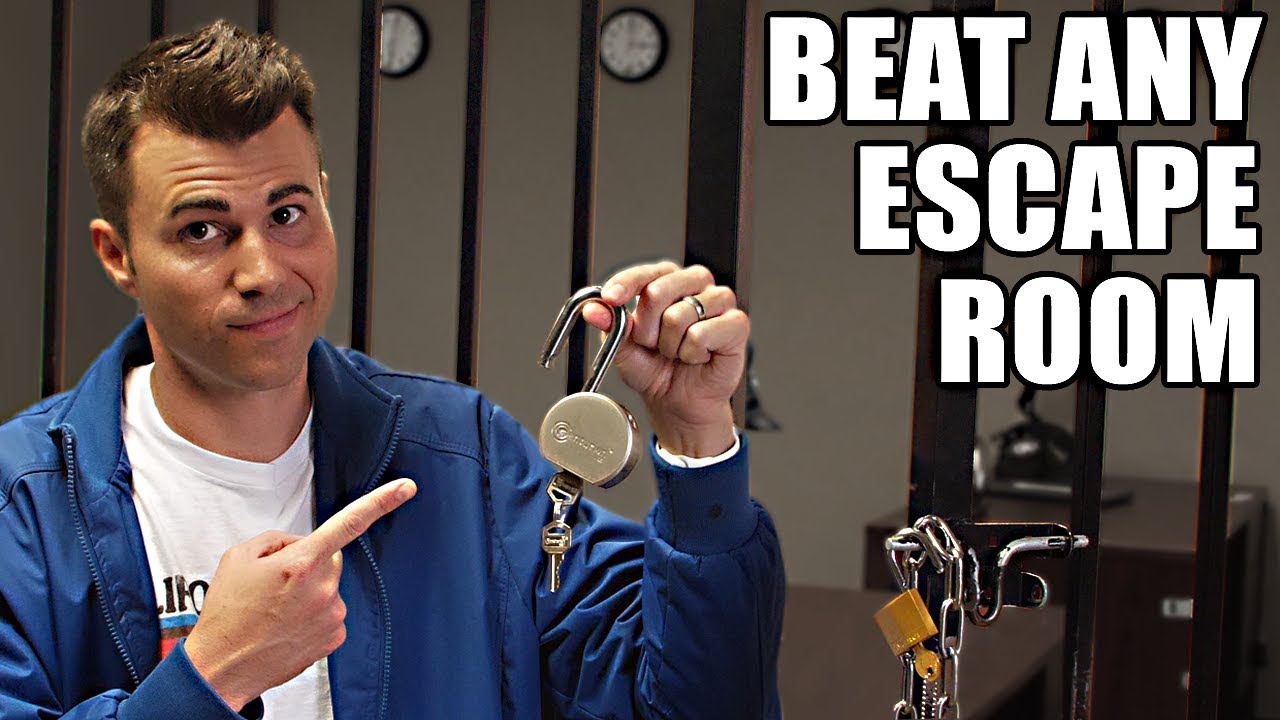

Mark Rober breaks down ten genuine strategies for cracking escape rooms, backed by real technique rather than luck. It's rated 75 out of 100 for educational value and suits older primary schoolers best, with explorer-style appeal peaking at 90 out of 100 around age 8-9. Younger children may find the darker rooms and occasional loud cheer a bit much, so this one's for the puzzle-loving end of primary school.
At a glance
Will it actually calm them down?
 A solid pick for lifting a flat, low-energy afternoon into something engaged
Scores measure how reliably this video moves a child toward a settled, regulated state. In the Piko app, kids tell us their weather and we do the matching automatically.
For the long stretches where this sort of video does a lot of heavy lifting: surviving the holidays without a screen-time war.
Which kids will love it?
Why it works
This is Mark Rober's usual mix: an enthusiastic but not overbearing presenter (annoyance score 2 out of 10), moving briskly through real strategy at an average shot length of 4.2 seconds and a pacing score of 65 out of 100. It's rated energising rather than calming, so it's built to engage an alert mind, not settle a wound-up one.
The appeal climbs steeply with age: explorer-style scores go from 40 out of 100 at age 4-5 to 90 by age 8-9, and thrill-seeker appeal follows a similar curve, hitting 90 by age 10-11. That's echoed in the fear triggers too: darkness and suspense are flagged specifically for 4-5 year olds, with nothing flagged from age 6 up.
It earns its educational value score (75 out of 100) honestly: these are real strategies for logic puzzles and teamwork, not padding. Sensory intensity is moderate (fast cuts and the odd sudden sound are flagged), so it suits an alert, focused watch rather than background telly.
When to reach for it
- Rainy-day puzzle inspiration. Real escape-room strategy that a puzzle-loving 8 to 11 year old can actually put into practice on their next visit.
- Feeding a logic-puzzle obsession. Explorer-style appeal hits 90/100 at age 8-9, and thrill-seeker appeal climbs to 90/100 by age 10-11.
- Family strategy chat starter. Educational value scores 75/100, real enough to spark a proper discussion about teamwork and problem-solving.
Sensory & SEN notes
Whether this suits your child depends on which way they lean sensory-wise, and the two are often confused: the difference between sensory seeking and sensory avoiding.
If they love this, try these





Questions parents ask
Is this too scary for a younger child?
For a very young child, it can be. Darkness and suspense are flagged as possible fear triggers specifically for 4 to 5 year olds, with nothing flagged from age 6 up. Our data lists very young children as one group to avoid it for.
Will the loud reactions be a problem for a noise-sensitive child?
Worth a heads-up: sudden sounds are flagged, and our data specifically calls out sensitivity to sudden loud cheers as a reason to avoid it for some children. Otherwise the presenter himself is rated low-annoyance at 2 out of 10.
Is it actually useful, or just entertainment?
It's genuinely useful: educational value scores 75 out of 100, built on real strategy for logic puzzles and teamwork rather than filler. It's rated energising rather than calming, so it's one for an alert moment, not a wind-down.
What age does this suit best?
It's built for the older end of primary school. Explorer-style appeal rises from 40/100 at age 4-5 to 90/100 by age 8-9, and thrill-seeker appeal follows the same climb, reaching 90/100 by age 10-11. Best for 8 to 11 year olds who already like puzzles.
40+ checks per video, with a final pass from the review desk · Scored 11 July 2026 · We do not host videos; playback is via YouTube's official embed.