
Good Night: the slow, presenter-free wind-down for babies and toddlers
A gentle, wordless nature scene built to do one job: settle a baby or toddler toward sleep.
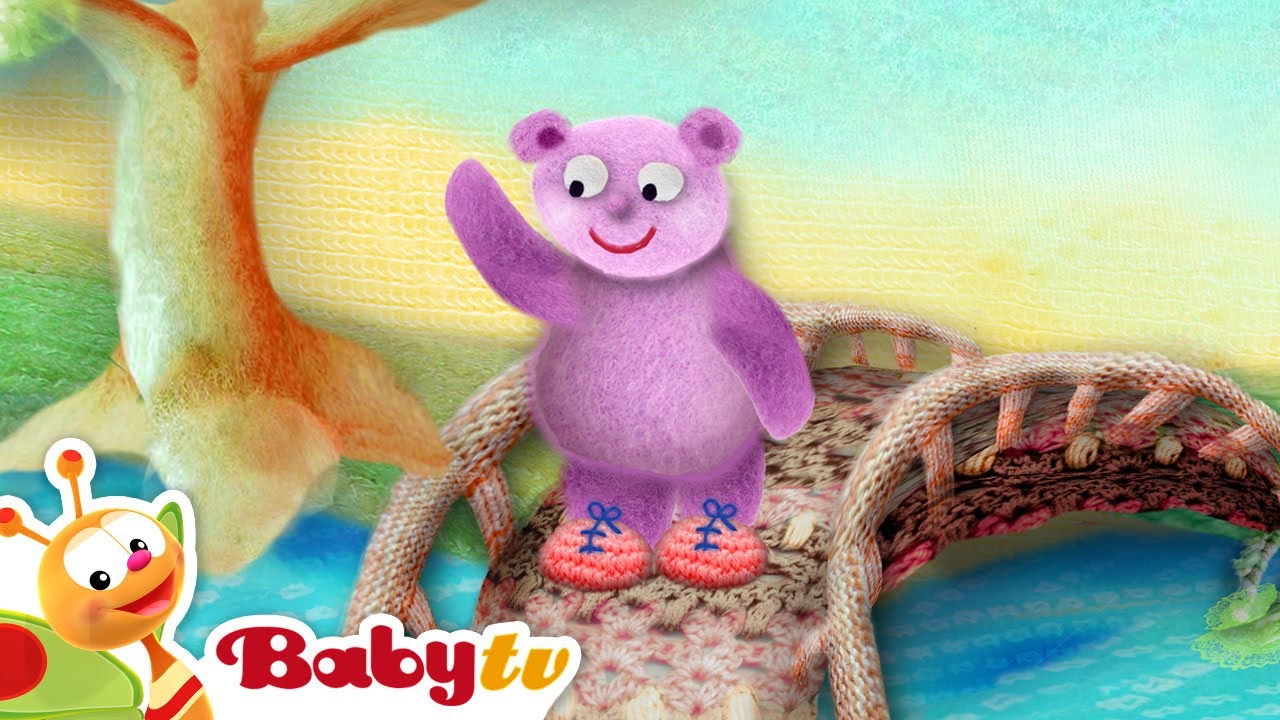

This is about as calm as content gets: no presenter, no dialogue, just gentle animated nature scenes with an average shot length of 12 seconds and a pacing score of 95, among the slowest and steadiest in our library. Regulation scores back up the billing: yellow-to-green sits at 95 and blue-to-green at 85, with red-to-green at a genuinely useful 75 for post-meltdown recovery too. Curator notes flag it for younger children, bedtime, winding down and sensory-sensitive children specifically, and the data agrees on every count.
At a glance
Will it actually calm them down?
 Settles wound-up energy fast
 Gently lifts a flat, tired mood
 Works well after a meltdown too
Scores measure how reliably this video moves a child toward a settled, regulated state. In the Piko app, kids tell us their weather and we do the matching automatically.
If videos usually end in tears in your house, the reason is rarely the video itself: why children melt down after screen time.
Which kids will love it?
Why it works
Baby TV strip everything back here: no presenter (annoyance score 0), no dialogue, just calm animated river, water and cat scenes with an average shot length of 12 seconds. That's a properly unhurried pace, among the slowest in this batch, and it shows in the pacing score of 95.
The regulation numbers are some of the strongest we've seen: yellow-to-green (wound-up to settled) scores 95, blue-to-green (flat and tired to gently lifted) scores 85, and red-to-green (meltdown recovery) scores 75. Dreamer is the standout play style at 95 for ages 4 to 5, with companion close behind at 85, so it works best as a quiet, shared watch rather than solo entertainment. It has a proper natural endpoint too, no cliffhanger to chase.
Sensory intensity is low throughout, with no audio or visual triggers flagged and no epilepsy risk, and it's ASD-safe, PDA-safe and anxiety-safe. One thing to know: it isn't flagged ADHD-friendly the way most of this batch is, likely down to the slow pacing itself, worth knowing if your child needs more stimulation to stay engaged. Curator notes are clear that this is for younger children, bedtime and sensory-sensitive viewers, not for over-7s or high-energy play.
When to reach for it
- Calm-down before bed. Yellow-to-green scores 95, about as high as this regulation engine goes, built for exactly this moment.
- Sick-day sofa. Comfort rating is a perfect 100, with low demand and low sensory intensity throughout.
- After a big meltdown. Red-to-green scores 75, and there's no presenter to add extra stimulation while your child recovers.
Sensory & SEN notes
Whether this suits your child depends on which way they lean sensory-wise, and the two are often confused: the difference between sensory seeking and sensory avoiding.
If they love this, try these






Questions parents ask
Is this good for calming a wound-up child before bed?
Yes, this is one of the strongest bedtime scores in our library. Yellow-to-green (wound-up to settled) scores 95 out of 100, helped by an average shot length of 12 seconds and a pacing score of 95. There's no presenter and no dialogue, just calm animated nature scenes, with a proper ending rather than a cliffhanger.
Is it suitable for sensory-sensitive or autistic children?
Yes. It's flagged ASD-safe, PDA-safe, anxiety-safe and sensory-avoiding safe, with low overall sensory intensity and no audio or visual triggers flagged anywhere. One note: it isn't flagged ADHD-friendly, likely because the pacing is so slow, so a child who needs more stimulation to stay engaged may find it a harder watch.
What age is it best for?
It's built for younger children, peaking at ages 4 to 5 where dreamer scores 95 and companion scores 85. Curator notes list it for babies, toddlers and bedtime specifically, and flag it as not suited to children over 7 or anyone after high-energy play.
Does it work after a meltdown, not just before bed?
Reasonably well: red-to-green (meltdown recovery) scores 75, a solid number in our data. With no presenter, no dialogue and low sensory intensity throughout, there's very little to add extra stimulation while a child is still coming back down from a wobble.
40+ checks per video, with a final pass from the review desk · Scored 11 July 2026 · We do not host videos; playback is via YouTube's official embed.