
A fascinating animated guide to space science and signal history
Explore the history of radio telescopes, cosmic signals, and why space remains silent.
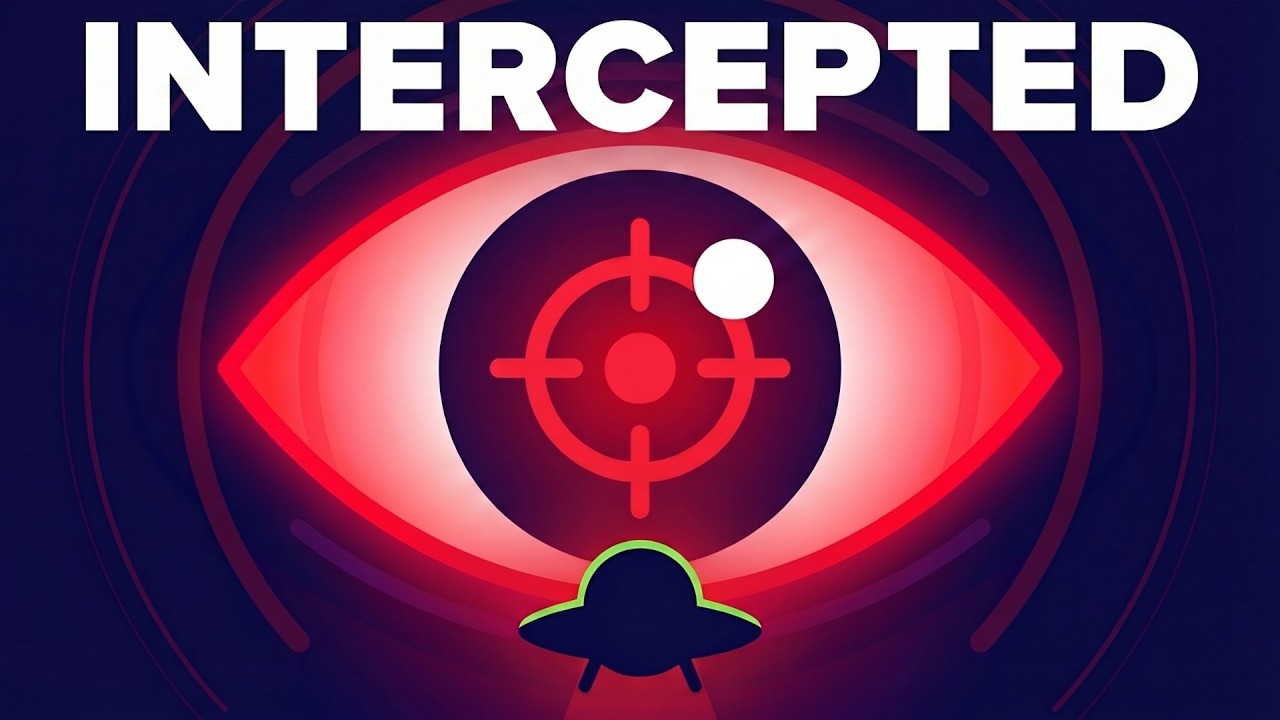

This ten-minute science animation details how astronomers search for extraterrestrial life and why deep space radio scanning methods have changed over time. The video utilizes simple digital grids, orbit diagrams, and historical timelines to explain radio telescope technology. With a warm and expressive narrator voice, the pacing stays steady and relaxed. It acts as an absorbing astronomy lesson for older kids.
At a glance
Will it actually calm them down?
 Eases a wound-up mood back to settled.
 A gentle lift on a flat, low-energy afternoon.
 Steady enough for meltdown recovery.
Scores measure how reliably this video moves a child toward a settled, regulated state. In the Piko app, kids tell us their weather and we do the matching automatically.
At this age the wider question is usually what comes after YouTube: what the UK under-16 social media ban means.
Which kids will love it?
Why it works
The simplified digital layouts make complex space physics, radio waves, and planetary orbits approachable for young minds. By discussing scientific limits and telescope technology, the video builds logical thinking and interest in astronomy. It serves as a quiet, thought-provoking science companion that introduces astrophysics without overwhelming a resting student.
When to reach for it
- Rainy afternoon rescue A quiet, educational science cartoon to bridge the gap during wet days.
- Quiet study background Provides a relaxing, natural atmosphere for drawing or quiet reading.
- Space science project A helpful visual guide to support children learning about radio telescopes and orbit signals.
Sensory & SEN notes
If you are weighing this one up for an autistic child, the same checks we ran here are the ones worth running yourself: how to choose videos for autistic children.
If they love this, try these


Questions parents ask
Is the astronomy science too complex for a ten-year-old?
No, the video uses simple visual diagrams that make radio signals very easy to grasp.
Are there sudden loud sounds or scary alien drawings?
No, it features standard cartoon sound effects and steady animated pacing with no scary elements.
What makes this science video educational?
It covers real-world physics, cosmic distances, radio telescope technology, and astronomical history.
40+ checks per video, with a final pass from the review desk · Scored 20 July 2026 · We do not host videos; playback is via YouTube's official embed.