
When money really does appear to grow on trees
A visual cash joke turned into a giving experiment, with merchandising rooted underneath.
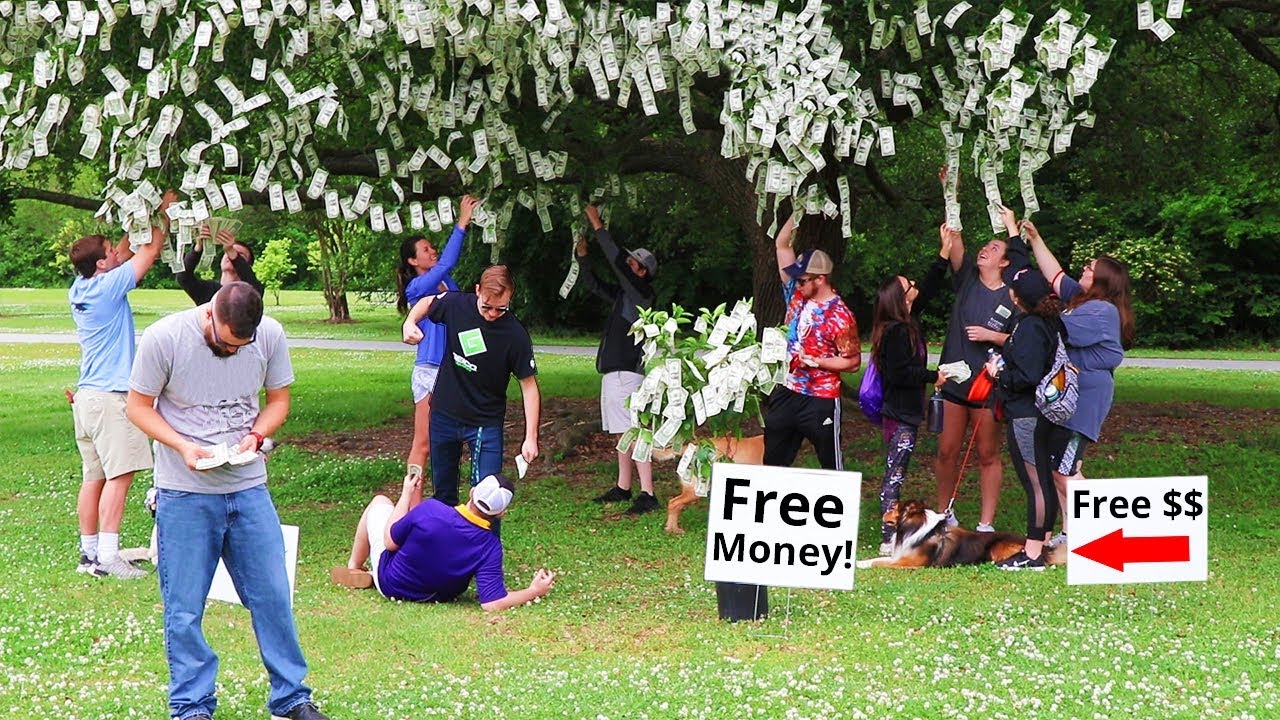

A tree visibly carrying money makes the impossible phrase real before MrBeast moves into charity, social experiment and entertainment. It is a strong, immediate image for older fans, followed by a moderate-paced story with clear sound and a happy endpoint. The watch is energising, not restorative, and it is less comfortable for autistic or sensory-avoiding children than the absence of loud triggers might suggest. Merchandise and sponsorship also add commercial pressure beneath the generosity.
At a glance
Will it actually calm them down?
 Eases a wound-up mood back to settled.
 A gentle lift on a flat, low-energy afternoon.
 Steady enough for meltdown recovery.
Scores measure how reliably this video moves a child toward a settled, regulated state. In the Piko app, kids tell us their weather and we do the matching automatically.
Our age band is a starting point rather than a rule: what age videos your child should actually watch.
Which kids will love it?
Why it works
The opening translates an idiom into a concrete spectacle, giving a child an easy idea to remember and question. A narrative structure carries that idea towards a resolved act of giving rather than leaving it as a visual gag. The measured sensory intensity is moderate, yet the regulation score remains weak for calming an already wound-up viewer. It can prompt useful discussion about where money comes from and what generosity means, provided nobody treats the tree as financial education (sadly).
When to reach for it
- To unpack a familiar saying Ask why adults say money does not grow on trees and what the video changes purely for entertainment.
- For an older giving-video fan Choose it when the child enjoys money spectacles and there is time to discuss charity beyond the reveal.
- Before a budgeting conversation Use the impossible cash tree as a light opening into how real money is earned, saved and given.
Sensory & SEN notes
The weather chips above are our shorthand for the mood a child arrives in: what Piko Weather means.
If they love this, try these






Questions parents ask
Is the money tree presented as real financial advice?
No. It is an entertainment and social-experiment premise. The video's own educational score is low despite the opportunity for an adult-led money conversation.
Why is this less suitable for sensory-avoiding children?
The overall sensory load is moderate and the watch raises energy. The score did not clear it as comfortable for autistic or input-avoiding viewers.
Does generosity remove the commercial pressure?
No. Merchandise and sponsorship are integrated, producing medium pester power even though charity is one of the recorded topics.
40+ checks per video, with a final pass from the review desk · Scored 27 July 2026 · We do not host videos; playback is via YouTube's official embed.