
Netflix Jr "Learn Colors" Satisfying Sand: eighteen minutes of oddly hypnotic kinetic sand
Bright colours, repetitive cutting sounds, almost no talking. The ASMR video that quietly teaches colours too.
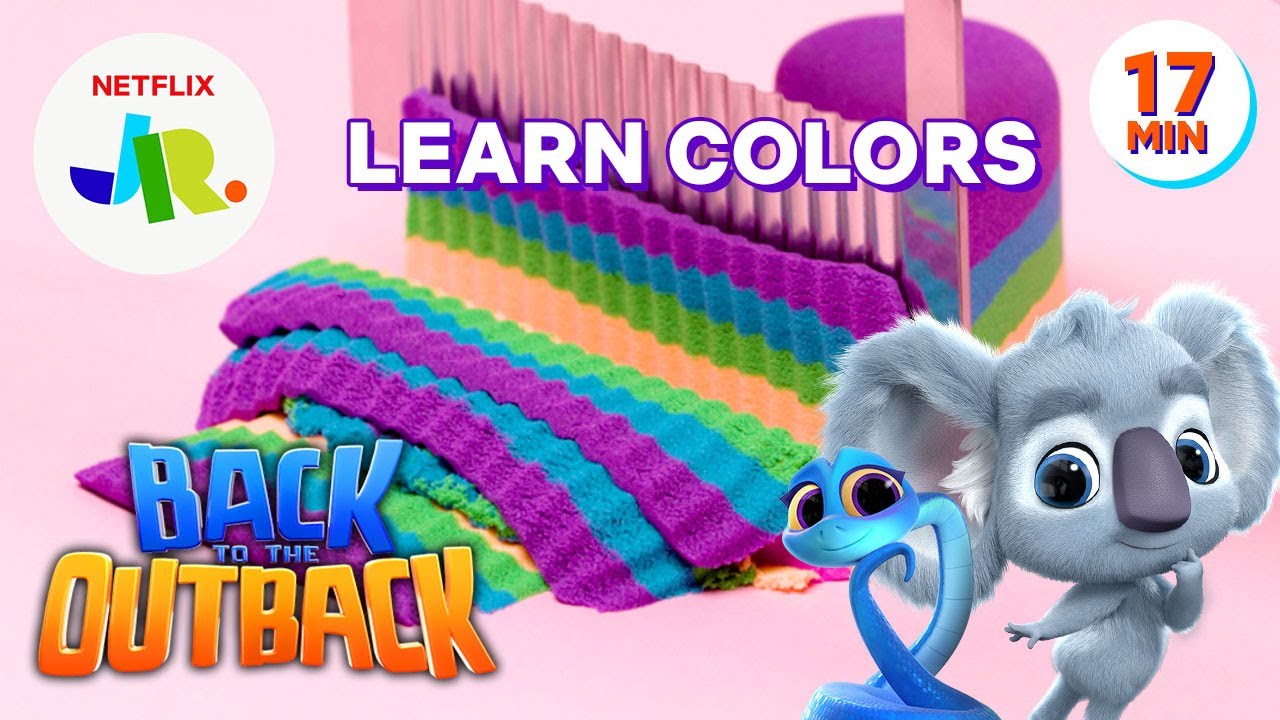

Nearly nineteen minutes of a knife gliding through coloured kinetic sand, teaching colours by sheer repetition rather than lecture. It's ASMR dressed up as an early-years lesson, and it works precisely because nobody's shouting the colour names at your child. Best for younger ones who find repetitive, textural sounds soothing rather than for anyone after actual plot.
At a glance
Will it actually calm them down?
 Brilliant on Windy days (fizzy, wound-up)
 Helps on Rainy days (flat, weary)
 Brilliant on Stormy days, once the peak has passed
Scores measure how reliably this video moves a child toward a settled, regulated state. In the Piko app, kids tell us their weather and we do the matching automatically.
If videos usually end in tears in your house, the reason is rarely the video itself: why children melt down after screen time.
Which kids will love it?
Why it works
There's barely a story here and that's the point. Shots hold for 6.5 seconds while a blade slices through brightly coloured sand, and the repetitive sound of the cutting is doing the same job proper ASMR content does for adults: giving the brain something predictable and textural to lock onto. Our sensory scoring flags it as low overall intensity despite the bright colours and repetitive sound, which tracks; it's stimulating in a narrow, steady way rather than a chaotic one.
The colour-learning is genuinely built in, just delivered gently rather than drilled. There's no instructor testing your child on "what colour is this", no reward jingle, just colour after colour presented long enough to sink in. Our tone read is low on instruction and high on suggestion, autonomy-respecting throughout.
At nearly nineteen minutes it's a long sit for younger viewers, so it suits being dipped into rather than watched start to finish. Score-wise it's one of the strongest settling watches in this batch for a fizzy, wound-up younger child, at 95 out of 100.
When to reach for it
- The sensory-seeking younger child. Repetitive, textural, satisfying, built for a brain that wants to watch the same soothing thing happen again and again.
- Early colour learning, no flashcards required. Colours land by repetition, not by being quizzed on them.
- Background calm during a long car journey or wait. Long runtime means it can be dipped into rather than committed to.
- Not for a child chasing plot or characters. There's no story here, just sand and colour. Manage expectations accordingly.
Sensory & SEN notes
If you are weighing this one up for an autistic child, the same checks we ran here are the ones worth running yourself: how to choose videos for autistic children.
If they love this, try these


Questions parents ask
What age is this really for?
Our scoring flags it as best for younger children, with a marked drop-off in fit from around age 8 upward. Under 7 is the sweet spot.
Is it actually educational or just satisfying to watch?
Both. Colour recognition is genuinely built into the format, it's just taught by repetition and immersion rather than by a presenter asking questions.
Why does it sound and feel like ASMR content for adults?
Because structurally it is. The repetitive cutting sound and steady visual pattern are the same mechanism whisper-and-tapping ASMR videos use, just with a kids'-content colour-learning wrapper.
Any sensory flags to know about?
Overall intensity is scored low, but it does involve repetitive sounds and bright colours throughout, worth knowing for a child who finds either overstimulating rather than soothing.
40+ checks per video, with a final pass from the review desk · Scored 17 July 2026 · We do not host videos; playback is via YouTube's official embed.