
Numberblocks: How to Draw Number 2, a five-minute watch-then-draw session
A step-by-step drawing tutorial that doubles as quiet, focused activity time, not just passive viewing.
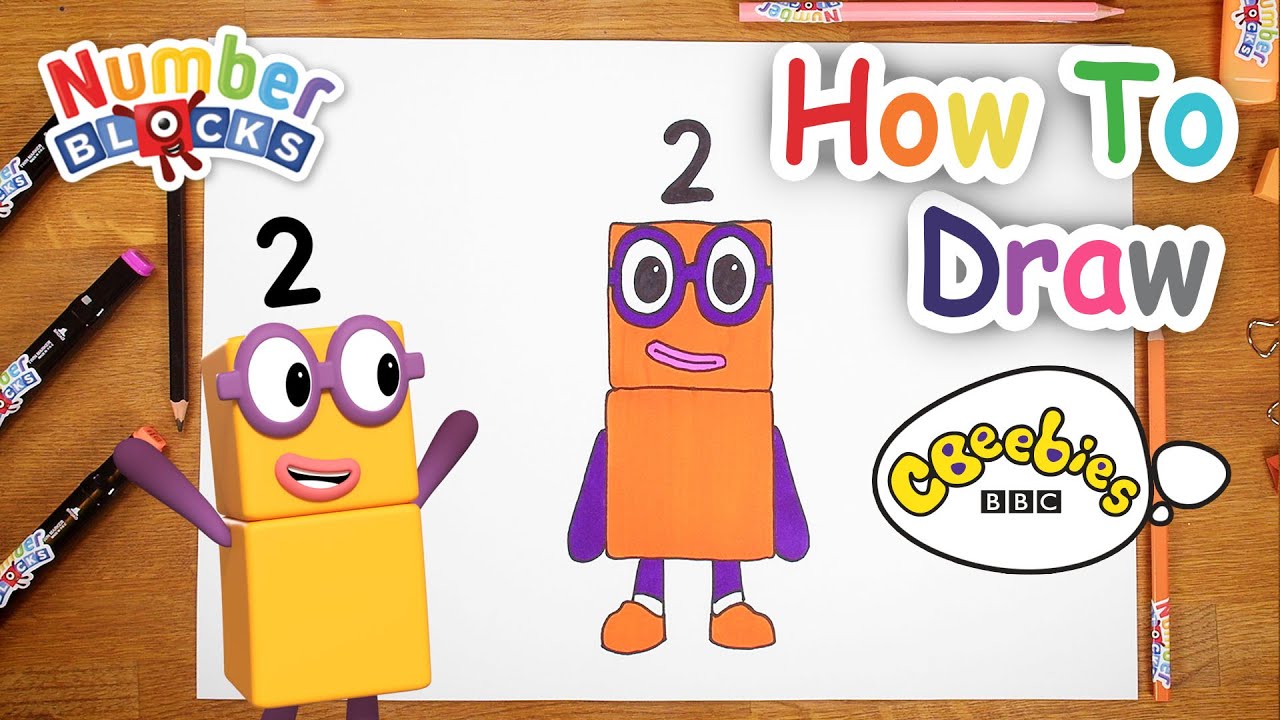

This scores 95 for educational value, and unusually for our library, the learning here is overt rather than hidden: it's a direct, step-by-step drawing tutorial with a presenter guiding each stroke. At just 4 minutes 40 seconds it's a quick, focused activity rather than a long watch, with a warm, moderate-energy presenter scoring only 1 on our annoyance scale. It's built for young children learning to draw, not for the over-8s, who carry a high risk of finding the primary-colour aesthetic too juvenile.
At a glance
Will it actually calm them down?
 Settles a wound-up child well.
 Good at lifting a flat, tired mood.
Scores measure how reliably this video moves a child toward a settled, regulated state. In the Piko app, kids tell us their weather and we do the matching automatically.
A video is one part of the wind-down, and the rest matters more: a bedtime routine that is actually realistic.
Which kids will love it?
Why it works
This is one of the few videos in the library with a presenter actually teaching something: a warm, moderate-energy voice walking through how to draw Number 2, stroke by stroke, over a calm 6.5-second average shot length. The instructional level is flagged medium rather than none, because that's genuinely the point here, it's a tutorial, not just entertainment with learning folded in quietly.
Regulation-wise it still does the job of a calming watch: 90 for taking a wound-up child to settled, 85 for lifting a flat or tired one. Meltdown recovery is lower at 60, so it's better suited to quiet activity time than crisis recovery.
It peaks for four and five-year-olds (tied with six and seven-year-olds) as a Makers pick (95), with Explorers (90) and Dreamers (85) close behind, exactly what you'd expect from a drawing-and-counting tutorial. The educational score of 95 is among the highest in the library, though that same strength is why it carries a high rejection risk for children over 8, the aesthetic and pace are built for the Numberblocks age group specifically.
When to reach for it
- Quiet, focused activity time. Instructional level is medium and the format is a genuine step-by-step tutorial, best paired with paper and a pencil in hand.
- Wanting screen time with visible learning. Educational value scores 95, among the highest in the library, with numeracy and drawing skills taught directly.
- Settling a wound-up child with something to do. Yellow-to-green scores 90, and the short 4-minute 40 length keeps it from overstaying its welcome.
Sensory & SEN notes
The weather chips above are our shorthand for the mood a child arrives in: what Piko Weather means.
If they love this, try these


Questions parents ask
Does my child actually need to draw along, or can they just watch?
It works either way, but it's built as a tutorial (instructional level: medium), so the most value comes from drawing along. Educational value scores 95, among the highest in the library, precisely because the learning is explicit rather than hidden in a story.
What age is this for?
It peaks for four to seven-year-olds, scoring 95 as a Makers pick. Over-8s carry a high risk of finding it too juvenile: the primary-colour aesthetic and simplified visuals are flagged as rejection triggers for that age group.
Is the presenter annoying?
No: presenter annoyance scores just 1 out of a possible scale, with a warm voice style and moderate energy level. It's a CBeebies production, so the tone is gentle and encouraging rather than hyped-up.
Will it help calm my child down, or is it too stimulating?
It scores 90 for settling a wound-up child and 85 for lifting a flat, tired one, both solid. It's not the strongest choice for meltdown recovery specifically (60), but as a calm, focused activity it does the job well.
40+ checks per video, with a final pass from the review desk · Scored 11 July 2026 · We do not host videos; playback is via YouTube's official embed.