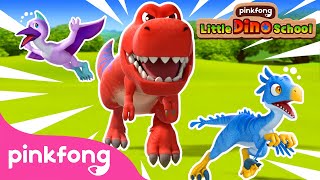
Planet Pop's Sick Song: a bouncy, singalong way to talk about feeling poorly
Two minutes of bright, repetitive singalong vocabulary for feelings, illness and 'what's the matter'. Built for learning through song, not for winding down.


Planet Pop teaches health and illness vocabulary through a short, bouncy singalong, the kind of repetitive, rhythmic format that language-learning content relies on because it genuinely works. It's energising rather than calming, and our data flags it as too much for an already-overstimulated child, but for classroom-style vocabulary building or a wiggly singalong moment, it does its job well.
At a glance
Will it actually calm them down?
 Brilliant on Rainy days (flat, bored, needs a lift)
Scores measure how reliably this video moves a child toward a settled, regulated state. In the Piko app, kids tell us their weather and we do the matching automatically.
If this is being rejected as babyish despite fitting the age, that is its own thing: why your four-year-old thinks Paw Patrol is for babies.
Which kids will love it?
Why it works
At just over two minutes with a 3.2 second average shot, bright colours and high-pitched singing throughout, this is short-form, high-repetition language content. Our scoring rates it energising rather than calming, 40 out of 100 for settling a wound-up child, which is honestly appropriate for a song built to be sung along to, not sat quietly through.
The vocabulary focus, feeling unwell, describing symptoms, asking "what's the matter", is genuinely useful, everyday language dressed up in a catchy, repeatable tune. Our data notes it's aimed at English language learners and classroom settings specifically, which tracks: this is designed to be sung more than once, the way vocabulary songs are supposed to work.
The one caveat worth knowing: our data specifically flags this as a poor choice for a child who's already overstimulated, the bright, bouncy, high-pitched format will add energy rather than settle it. Save it for a moment when a bit of singalong energy is actually welcome.
When to reach for it
- Vocabulary building through song. Genuinely useful language content, feelings and illness words wrapped in a catchy tune.
- The wiggly singalong moment. Bright and bouncy, built to be sung and moved along to, not sat still for.
- Not for an already wound-up child. Our data flags this specifically; save the high energy for a moment that can absorb it.
Sensory & SEN notes
Whether this suits your child depends on which way they lean sensory-wise, and the two are often confused: the difference between sensory seeking and sensory avoiding.
If they love this, try these




Questions parents ask
Is this good for children learning English?
Yes, that's specifically who it's built for. Our data flags English language learners and classroom settings as a strong fit, thanks to the repetitive, catchy vocabulary format.
Is it calming or energising?
Energising. It scores 40 out of 100 for settling a wound-up child, and our data explicitly flags it as unsuitable for a child who's already overstimulated.
What age is it aimed at?
There's no specific age flag in our data, but the simple vocabulary and singalong format point to early primary and preschool, roughly 4 to 7.
Any sensory concerns?
Overall sensory intensity is moderate, with high-pitched singing and bright, fast-cut visuals throughout. Not extreme, but worth knowing if your child is sensitive to pitch.
40+ checks per video, with a final pass from the review desk · Scored 17 July 2026 · We do not host videos; playback is via YouTube's official embed.