
If the Planets Replaced our Moon: a quiet cosmic scale comparison
A slow-paced, visually stunning 3D simulation of night skies that inspires wonder and calm.
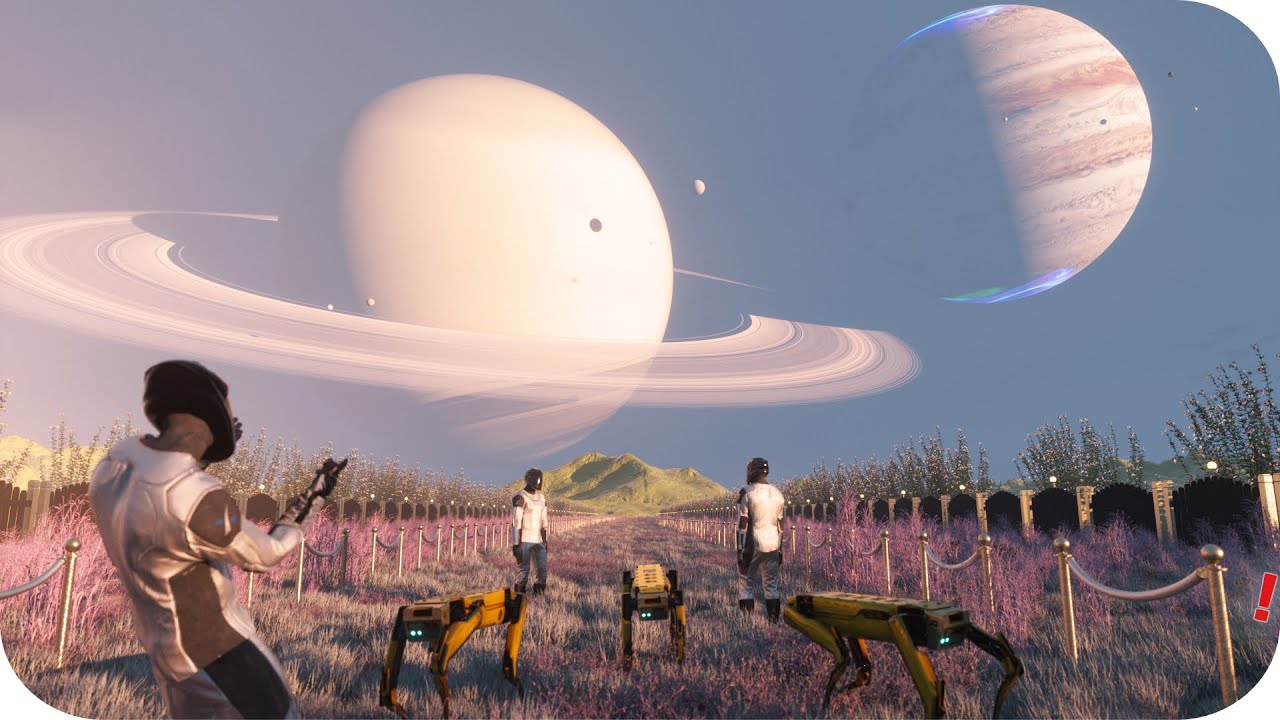

RED SIDE shows what the night sky would look like if other planets orbited at the moon's distance. This one-minute video is silent, grand and visual, exceptionally slow at a 15-second shot average. It is a superb fit for Explorer and Dreamer play styles, particularly children aged 8 to 9. With no sudden noises or speech, it is gentle enough to bring a wound-up child right down, a quiet, meditative space break.
At a glance
Will it actually calm them down?
 Eases a wound-up mood back to settled.
 A gentle lift on a flat, low-energy afternoon.
 Steady enough for meltdown recovery.
Scores measure how reliably this video moves a child toward a settled, regulated state. In the Piko app, kids tell us their weather and we do the matching automatically.
The zone labels in that chart come from a framework your school may already use: the Zones of Regulation, for parents.
Which kids will love it?
Why it works
The video uses slow 3D transitions of massive planets rising over a realistic city skyline, and the absence of dialogue and music creates a quiet, low-demand environment. That steady visual pacing is what makes it so settling. Explorers get the most from it, with Dreamers behind. The giant planets may look slightly intimidating to very young children, worth knowing. For sensory-avoiding kids, and for ASD and PDA needs, it is a safe watch.
When to reach for it
- Visual wind-down. At under two minutes, this silent scale comparison is a perfect calming bookmark before turning off screens.
- Quiet science trigger. Use it to spark interest in space sizes in a visual, low-demand format on slow afternoons.
Sensory & SEN notes
Whether this suits your child depends on which way they lean sensory-wise, and the two are often confused: the difference between sensory seeking and sensory avoiding.
If they love this, try these




Questions parents ask
Does the video feature explanations?
It shows planet names and scales on screen in a silent format, with no narrator voice.
Will the large planets scare young children?
Some children under 5 might find the massive scale of Jupiter looming over the city slightly overwhelming.
40+ checks per video, with a final pass from the review desk · Scored 19 July 2026 · We do not host videos; playback is via YouTube's official embed.