
Pokémon battle eight: strategy with the sensory volume turned down
A measured online match for established fans who enjoy the decision more than the animation.


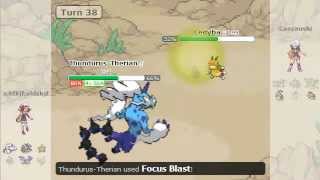
A greeting and topic explanation lead into another Pokémon Showdown strategy match. The presentation is low-sensory, the audio clear and the structure highly predictable, giving older Pokémon fans a neutral rather than overexciting battle watch. Explorer and thrill-seeker appeal remain strong because choices create the tension. Children under six are unlikely to follow the mechanics, and sensory seekers may want more movement. Pokémon and Nintendo provide a slight game pull, but no sponsorship is recorded.
At a glance
Will it actually calm them down?
 Eases a wound-up mood back to settled.
 A gentle lift on a flat, low-energy afternoon.
 Steady enough for meltdown recovery.
Scores measure how reliably this video moves a child toward a settled, regulated state. In the Piko app, kids tell us their weather and we do the matching automatically.
For the long stretches where this sort of video does a lot of heavy lifting: surviving the holidays without a screen-time war.
Which kids will love it?
Why it works
Turn-based play gives a viewer time to anticipate outcomes without demanding constant visual change. The match is complete, happily ended and free from fear triggers, which supports independent viewing for children who already know the game. Hidden learning sits in strategy and consequence rather than factual teaching. The title names Stone Edge, though the real value is the battle's measured decision-making shape (rather than any move-by-move drama).
When to reach for it
- For a Stone Edge search Offer the match to an older fan while being clear that We have not captured when the named move appears.
- A calmer competitive slot This suits a child who wants Pokémon tension without loud music, bright effects or rapid creator cuts.
- Before talking through a game plan Pause after key choices only if the child wants to explain their reasoning, rather than turning viewing into homework.
Sensory & SEN notes
The weather chips above are our shorthand for the mood a child arrives in: what Piko Weather means.
If they love this, try these




Questions parents ask
Does the video explain how Stone Edge works?
Stone Edge appears in the title, but no detailed move explanation is present in the video. We cannot claim a tutorial.
Why is the energy described as neutral if it is a battle?
The competitive subject creates interest, while long shots and low sensory intensity keep the presentation measured rather than calming or highly energising.
Are children encouraged to buy Pokémon products?
Pokémon and Nintendo are visible, with subtle game-related promotion and low pester power. No affiliate or sponsor is recorded.
40+ checks per video, with a final pass from the review desk · Scored 27 July 2026 · We do not host videos; playback is via YouTube's official embed.