
Sink or Float Density Tower: hands-on science for the younger crowd
A genuinely simple, visual density experiment, delivered with high-energy US enthusiasm that lands best with the under-8s.
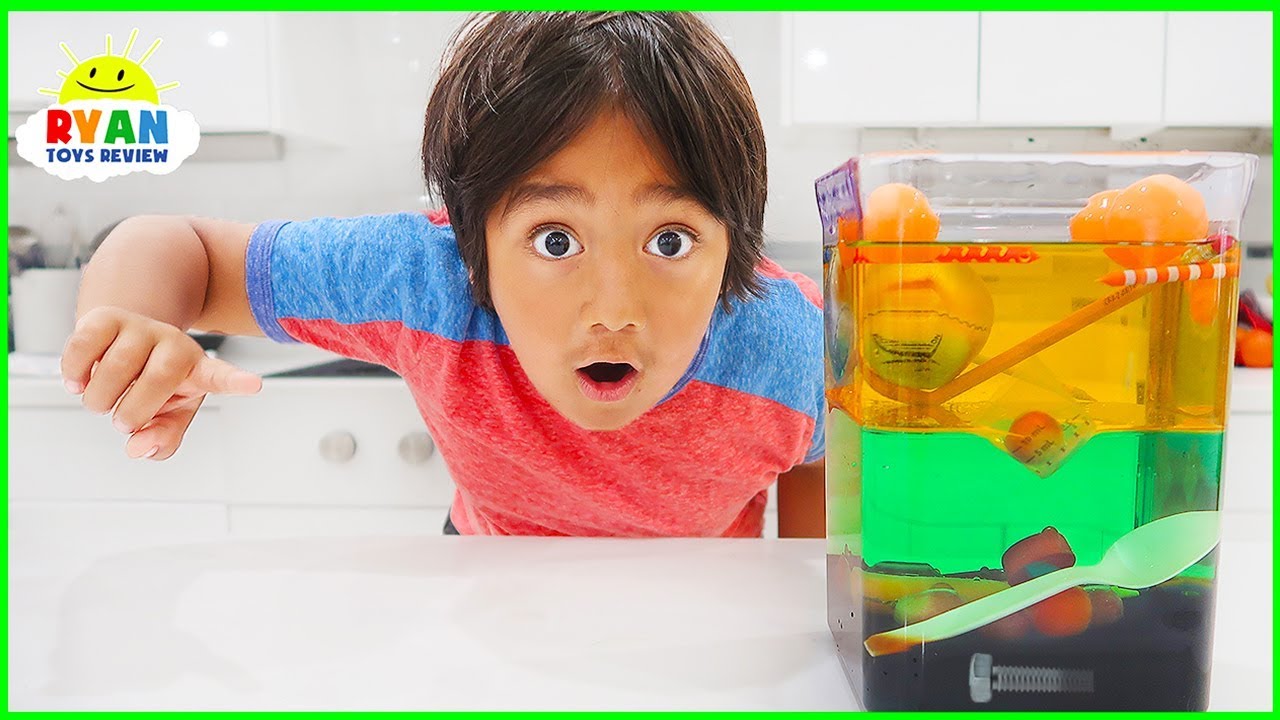

This is real hands-on science: building a layered density tower and testing what sinks and what floats, explained visually and simply enough for a younger child to follow along. The presenting style is big, bright and very enthusiastic, which lands well with the target age group but can read as patronising to an older child. Match this one to the right age and it does its job nicely.
At a glance
Will it actually calm them down?
 Great for a Sunny, hands-on-science day
 A lift on a flat, weary Rainy day
Scores measure how reliably this video moves a child toward a settled, regulated state. In the Piko app, kids tell us their weather and we do the matching automatically.
The zone labels in that chart come from a framework your school may already use: the Zones of Regulation, for parents.
Which kids will love it?
Why it works
Our analysis clocks the average shot at 4.2 seconds with moderate sensory intensity, high-pitched vocal energy and bright colours throughout, standard for this kind of visual kids' science content. The instructional level is medium and it's genuine: real density concepts, shown rather than just told, which suits a visual learner well.
It's worth being honest about the presenting style rather than glossing over it. Our scoring flags directly that children over 8 may find the high-energy US presenter style patronising, and that's a fair, specific caution rather than a knock against the content itself. For a younger child who enjoys that energy, it's genuinely engaging; for an older one, it's worth having something with a calmer or more detailed register instead.
The experiment itself is simple enough to recreate at home with kitchen ingredients, which makes this a good watch-then-do choice for a curious younger child, delivered suggestion-based rather than as a strict tutorial.
When to reach for it
- The younger science-curious child's fix. Simple, visual and genuinely fun density science, pitched at the right energy for under-8s.
- Watch-then-try inspiration. An experiment simple enough to actually recreate with kitchen ingredients afterwards.
- Not for the child who finds big US presenters grating. Our scoring flags this specifically for over-8s who find that energy patronising; have an alternative ready.
Sensory & SEN notes
The weather chips above are our shorthand for the mood a child arrives in: what Piko Weather means.
If they love this, try these


Questions parents ask
What age is this best for?
It's aimed squarely at younger children, around 5 to 7. Our scoring specifically flags that children over 8 may find the high-energy presenting style patronising, so we wouldn't band this any older.
Is it actually educational?
Yes, genuinely. The density tower experiment is real science, shown visually and simply, rated medium on instructional level.
Will my older child enjoy this too?
Possibly not. This is one area where honesty matters: the presenting style is built for a younger audience, and our scoring reflects that directly.
Any sensory concerns?
Overall sensory intensity is moderate, with a high-pitched, energetic presenting voice and bright colours. Worth checking first for a sensory-sensitive child.
40+ checks per video, with a final pass from the review desk · Scored 17 July 2026 · We do not host videos; playback is via YouTube's official embed.