
Lots of Shallots: the gentle grow-your-own episode that settles preschoolers right down
A slow, garden-based Sarah and Duck story that scores a perfect 100 for settling a wound-up preschooler.
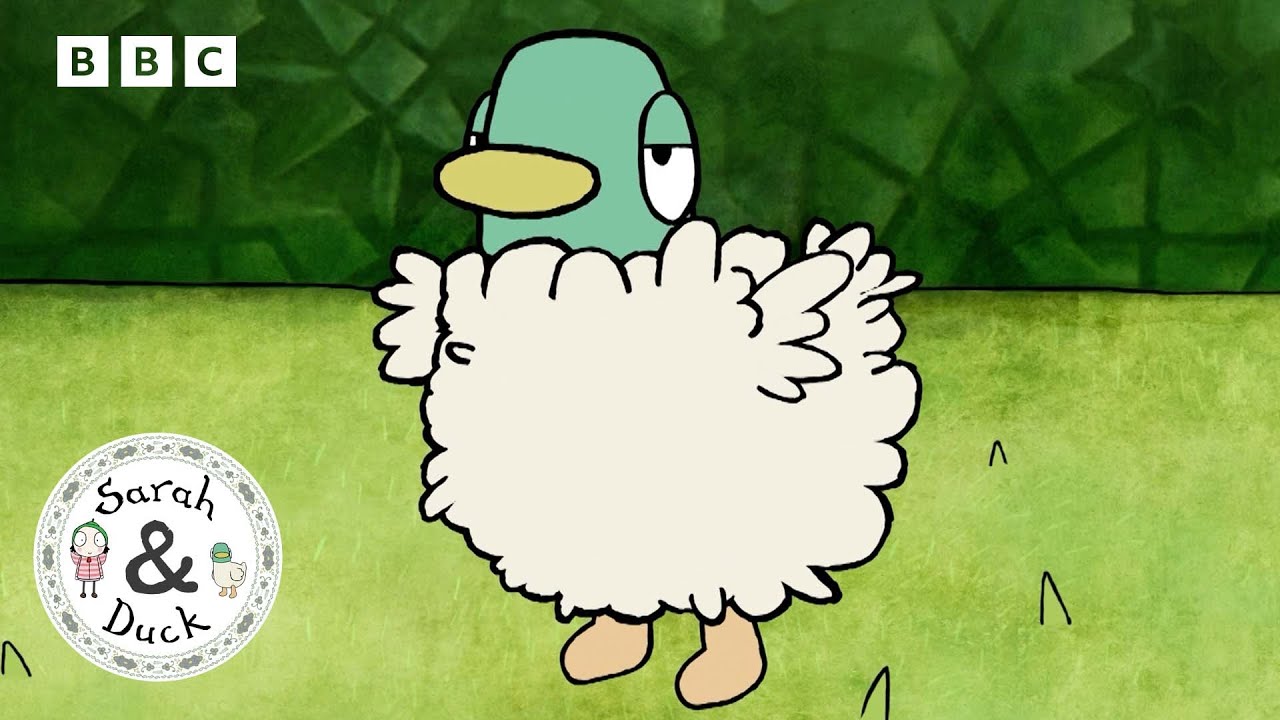

This Sarah and Duck episode is about as reliably calming as it gets: a perfect 100 out of 100 on yellow-to-green regulation, with red-to-green at 85 and blue-to-green at 95. It's explicitly flagged as good for SEN children as well as younger ones generally, all narrated in a warm, unhurried British voice with nothing sudden to startle. It's built for the four-to-six set though, older siblings looking for pace and action should look elsewhere.
At a glance
Will it actually calm them down?
 About as reliably calming as it gets
 A gentle lift on a flat, low-energy afternoon
 Genuinely helps meltdown recovery
Scores measure how reliably this video moves a child toward a settled, regulated state. In the Piko app, kids tell us their weather and we do the matching automatically.
If videos usually end in tears in your house, the reason is rarely the video itself: why children melt down after screen time.
Which kids will love it?
Why it works
Pacing scores 95 out of 100 with an average shot length of 7.5 seconds, slow enough to feel unhurried without ever dragging. The warm, calm narrator carries the whole 6 minutes, no jarring cuts, no sudden noise, presenter annoyance rated a flat 0 out of 10.
All three regulation scores sit remarkably high: 100 for wound-up energy, 95 for a flat afternoon and 85 for meltdown recovery, genuinely rare to see one video work this well across every zone. It's also flagged specifically as good for SEN children, sensory intensity is low throughout with nothing logged as an audio or visual trigger.
Play-style scoring peaks hard for Dreamers and Companions at four and five (100 and 95), with Explorers close behind at 85. Growing shallots in a garden is exactly the gentle, curious territory this age group responds to, and educational value sits at 85, real facts about growing your own food tucked into a soft story. It's rated babyish for the over-eights though, so this one is squarely for the younger end of primary.
When to reach for it
- Before bed, when the day needs to properly slow down. Yellow-to-green regulation scores a perfect 100/100.
- After a wobble or meltdown. Red-to-green regulation scores 85/100, genuinely helps recovery.
- A rainy afternoon with a windowsill or garden patch to hand. Growing shallots is a real, simple activity to copy at home afterwards.
Sensory & SEN notes
If they are already past the point where a video helps, start here instead: how to calm an overstimulated child.
If they love this, try these



Questions parents ask
Is Lots of Shallots good for calming a wound-up child?
Yes, it scores a perfect 100 out of 100 on yellow-to-green regulation, one of the highest in the library, and it's rated calming overall. It's also explicitly flagged as good for SEN children, with low sensory intensity and nothing logged as an audio or visual trigger.
What age is this Sarah and Duck episode best for?
Play-style scoring peaks at four and five, with Dreamers hitting 100/100 and Companions 95/100. It's rated babyish for children over eight, with a high rejection risk at that age, so it's really built for the younger end of primary and below.
Is it suitable for a child with sensory sensitivities or additional needs?
Yes, it's rated safe for autism, PDA and anxiety, with sensory intensity logged as low and nothing flagged as a trigger. It's specifically called out as good for SEN children in the source data, and the narrator's calm, steady voice scores 0 out of 10 for presenter annoyance.
How long is the episode and how does it end?
It runs 6 minutes 31 seconds with a natural ending rather than a cliffhanger, so there's no fuss about switching off after. Pacing scores 95 out of 100, gentle and unhurried throughout.
40+ checks per video, with a final pass from the review desk · Scored 11 July 2026 · We do not host videos; playback is via YouTube's official embed.