
Circler Schindler? Lift at Watches of Switzerland: a minute of calm, real-world mechanics
One real lift, filmed start to finish, scoring 85 for meltdown recovery, among the strongest results in this entire batch.
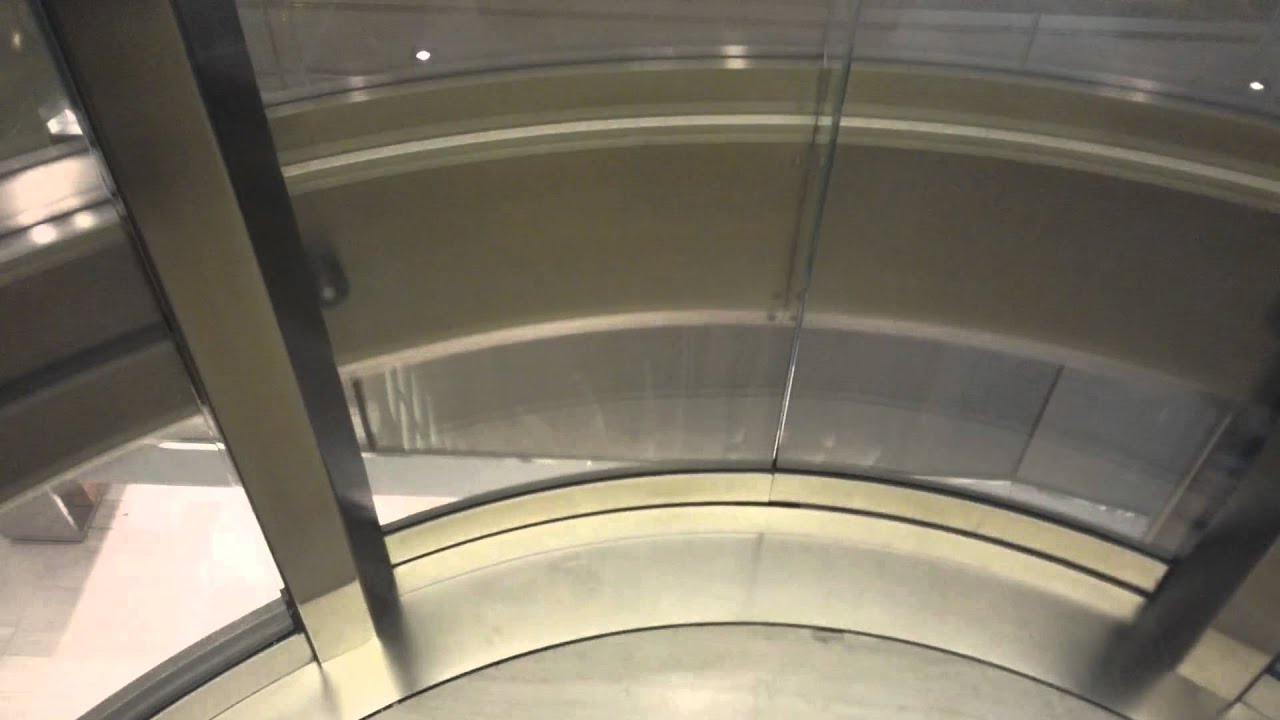

There's nothing performative here: just a real Schindler lift at a Regent Street shop, filmed floor by floor with no presenter and no editing tricks. That plainness is exactly the point, yellow-to-green scores a very strong 95 and red-to-green hits 85, genuinely rare numbers that make this one of the most useful meltdown-recovery watches in the whole library, especially for a child with a special interest in lifts or machines.
At a glance
Will it actually calm them down?
 Very strong at settling wound-up energy
 Also does a fair job lifting a flat mood
 One of the strongest meltdown-recovery scores in this batch
Scores measure how reliably this video moves a child toward a settled, regulated state. In the Piko app, kids tell us their weather and we do the matching automatically.
If videos usually end in tears in your house, the reason is rarely the video itself: why children melt down after screen time.
Which kids will love it?
Why it works
There's no presenter, no dialogue, no editing, just over a minute of real footage following one lift doing exactly what a lift does, cut at an average of 15 seconds a shot, the slowest and most unhurried pacing in this entire batch. Nothing is suggested or asked of the viewer (the tone is scored as neither instructional nor suggestion-based, just observational), which is a big part of why it reads as so calm.
The regulation numbers here are genuinely exceptional: yellow-to-green scores 95, blue-to-green 70, and red-to-green 85, one of the strongest meltdown-recovery results anywhere in this batch. For a child who finds real, predictable mechanical processes soothing rather than boring, this is doing real regulation work, not just filling a minute.
Explorer is the clear top play style (95 at ages 6 to 7), with Independent (85) close behind: curiosity about how things work, watched solo, with nothing performed at the viewer. The curator notes specifically flag it as good for neurodivergent children who enjoy predictable mechanical processes, and sensory intensity is low throughout with no flagged triggers.
When to reach for it
- Bedtime wind-down. A yellow-to-green score of 95 and a calm, no-presenter format make it a genuinely strong pre-bed choice.
- Sick-day sofa time. Low demand, low sensory load, and a comfort rating of 90: easy, familiar viewing for an off-colour day.
- After a big meltdown. A red-to-green score of 85, one of the highest in this library, for a child who finds predictable machines genuinely soothing.
Sensory & SEN notes
The weather chips above are our shorthand for the mood a child arrives in: what Piko Weather means.
If they love this, try these




Questions parents ask
Why would a child want to watch a lift?
For some children, especially those with a special interest in machines or predictable processes, real footage like this is genuinely soothing rather than boring. The curator notes flag it as good for neurodivergent children specifically, and the numbers back that up: red-to-green scores 85, one of the strongest meltdown-recovery results in this batch.
Is this too slow or boring for most children?
It's certainly niche: the curator notes flag it as one to avoid for children seeking high-energy entertainment. But for the right child, the slow, predictable pacing (15 seconds average shot length) is exactly the appeal, not a flaw, and comfort rating still scores a solid 90 out of 100.
Does it actually help after a meltdown?
The data suggests yes: red-to-green scores 85 out of 100, among the highest results in this batch. No presenter, no demands, just a calm, predictable process to watch unfold, and yellow-to-green scores an even higher 95 alongside it. Blue-to-green comes in a little lower at 70, still a solid result.
Any sensory concerns?
None flagged: overall sensory intensity is low, with no audio or visual triggers and no epilepsy risk. It's rated ASD-safe, PDA-safe, anxiety-safe and ADHD-friendly throughout, and the tone is neither instructional nor suggestion-based, just plainly observational, which is exactly what makes it work so well for this audience.
40+ checks per video, with a final pass from the review desk · Scored 11 July 2026 · We do not host videos; playback is via YouTube's official embed.