
Which Steve is stronger: Smash Bros. or Minecraft?
Skip the Tutorial turns two versions of one blocky hero into ten minutes of mechanics, evidence and fan debate.
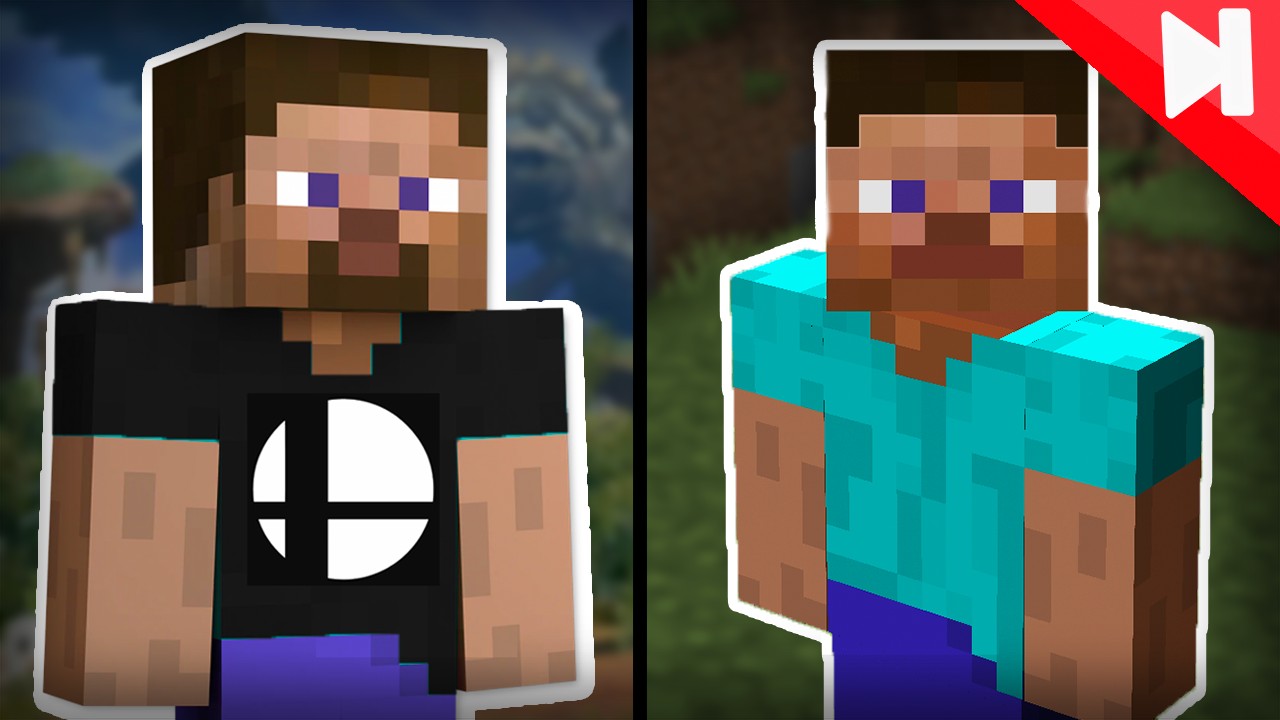

Steve behaves differently in Minecraft and Super Smash Bros., so asking which version is stronger creates a real comparison rather than an empty fan argument. The ten-minute analysis suits ten- and eleven-year-olds interested in game mechanics, with high educational value for a gaming video. It is neutral, moderately sensory and safe for both seekers and avoiders, with no commercial pressure. Under-sevens should skip it because the concepts are too complex. Explorers and independent viewers are best served, while prior knowledge of both games will do a great deal of the explanatory work.
At a glance
Will it actually calm them down?
 Eases a wound-up mood back to settled.
 A gentle lift on a flat, low-energy afternoon.
 Steady enough for meltdown recovery.
Scores measure how reliably this video moves a child toward a settled, regulated state. In the Piko app, kids tell us their weather and we do the matching automatically.
At this age the wider question is usually what comes after YouTube: what the UK under-16 social media ban means.
Which kids will love it?
Why it works
Cross-game comparison asks children to define what ‘stronger’ means before choosing a winner. Damage, abilities, limits and the rules of each world become evidence, encouraging viewers to reason inside two systems rather than rely on character preference. Makers have a smaller route through the constructed mechanics, while thrill seekers enjoy the verdict. Its useful intellectual move is transferable: when two things follow different rules, the comparison must explain the measuring stick.
When to reach for it
- For a mechanics-minded gamer Choose it when the child enjoys analysing rules as much as playing.
- To practise arguing from evidence Ask them to define strength and support a different conclusion.
- After playing either game Compare one claim with the child’s direct experience of the mechanics.
Sensory & SEN notes
If you are weighing this one up for an autistic child, the same checks we ran here are the ones worth running yourself: how to choose videos for autistic children.
If they love this, try these


Questions parents ask
Is Smash Bros. Steve versus Minecraft Steve suitable for a 10-year-old?
Yes. It is a safe, thoughtful choice for older children interested in gaming systems.
Will a child under 7 understand the Steve comparison?
Probably not. The mechanics and cross-game reasoning are specifically identified as too complex.
Is this gaming analysis educational?
It offers good reasoning value by comparing abilities and rules, though the knowledge remains game-specific.
40+ checks per video, with a final pass from the review desk · Scored 20 July 2026 · We do not host videos; playback is via YouTube's official embed.