
Teletubbies: Playing Games, the slow, warm regulation classic
Twelve minutes of the most unhurried telly in the library, built for the very youngest viewers.
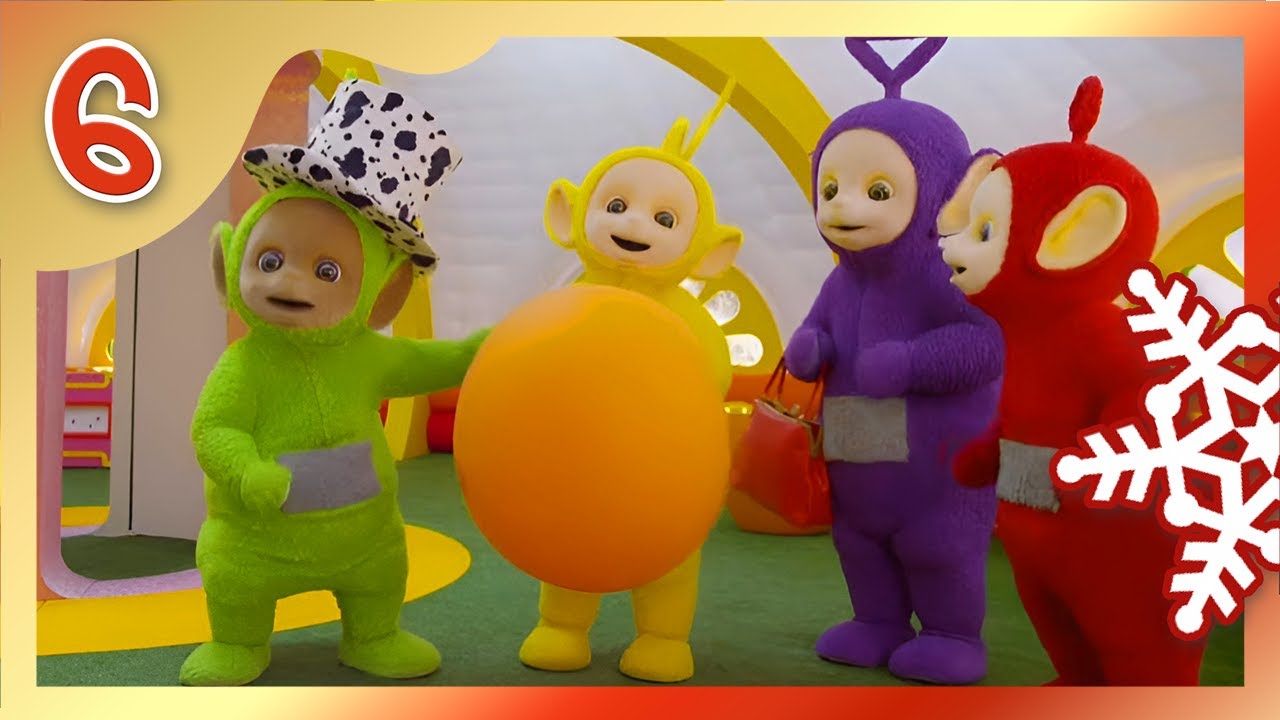

This is Teletubbies doing what Teletubbies does best: slow, warm, entirely predictable telly for the very youngest viewers. Comfort and safety both score 100, sensory intensity is low, and the regulation scores are about as strong as they come (95 yellow-to-green, 90 blue-to-green, 75 red-to-green). It's not for over-7s, who tend to find the preschool style babyish, but for its actual audience it's close to ideal.
At a glance
Will it actually calm them down?
 Settles a wound-up mood fast
 Gently lifts a flat, tired mood
 Helps steady things after a meltdown
Scores measure how reliably this video moves a child toward a settled, regulated state. In the Piko app, kids tell us their weather and we do the matching automatically.
This is a bedtime-shaped watch, and it is not the only one we have found: the calmest videos we have found for before bed.
Which kids will love it?
Why it works
Everything here moves slowly on purpose. Shots average 8.5 seconds, among the most unhurried pacing in the library (score 95), and the presenter's tone is warm, calm and entirely suggestion-based rather than instructional, so nothing is demanded of a watching toddler. That combination is why it scores true across the board for autonomy-respecting, non-demanding, ASD-safe and PDA-safe.
What's unusual is how well it covers all three regulation zones at once: 95 for lifting a wound-up mood, 90 for a flat or tired one, and 75 for meltdown recovery. Sensory intensity still reads as low, though the data flags high-pitched and repetitive sounds worth knowing about if your child is sound-sensitive. It ends properly and rewatches well, which matters for a show toddlers will ask for on loop.
Play-style scoring puts Dreamers and Companions level at 95 and Entertainers close behind at 90, all at the 4 to 5 age band, then drops off sharply after that: this is squarely preschool viewing, and the verdict data explicitly flags it as one to avoid for children over 7 or anyone chasing thrills.
When to reach for it
- Calm-down before bed. Calming energy effect and a 95 score for settling a wound-up mood, with no cliffhanger to argue over.
- Sick day on the sofa. Comfort rating of 100 and a low-demand, suggestion-based tone that asks nothing of a poorly toddler.
- After a big meltdown. Scores 75 for meltdown recovery, with a calm presenter and low sensory intensity throughout.
Sensory & SEN notes
The weather chips above are our shorthand for the mood a child arrives in: what Piko Weather means.
If they love this, try these


Questions parents ask
Is this Teletubbies episode good for calming a wound-up toddler?
Yes. It scores 95 for moving a wound-up, yellow-zone mood toward settled, one of the strongest results in the library, alongside a low sensory intensity rating. Energy effect is marked calming outright, so it's built for winding things down rather than entertaining them up.
Will my 8 year old still enjoy this?
Probably not much. The verdict data lists children over 7 under avoid_for, and the babyish-for-8-plus flag is marked true, with rejection triggers like motherese and simplified visuals noted. Play-style scores also drop off steeply after the 6-7 age band.
Are there any sounds or sensory triggers to know about?
Overall sensory intensity is rated low, but the data does flag high-pitched sounds and repetitive audio as present. No visual triggers beyond bright colours are noted, and no fear triggers are flagged for any age group.
Is this suitable for a child with autism or who needs predictability?
Yes, it's scored ASD-safe and PDA-safe, with a non-demanding, suggestion-based tone (instructional level low) and a highly repeatable structure. The verdict data specifically lists ASD children who prefer predictability under best_for.
40+ checks per video, with a final pass from the review desk · Scored 11 July 2026 · We do not host videos; playback is via YouTube's official embed.