
Teletubbies: Rollerblading, a classic 24-minute comfort watch
A full, familiar Teletubbies episode built for the very youngest, and for the days when familiar is exactly what's needed.
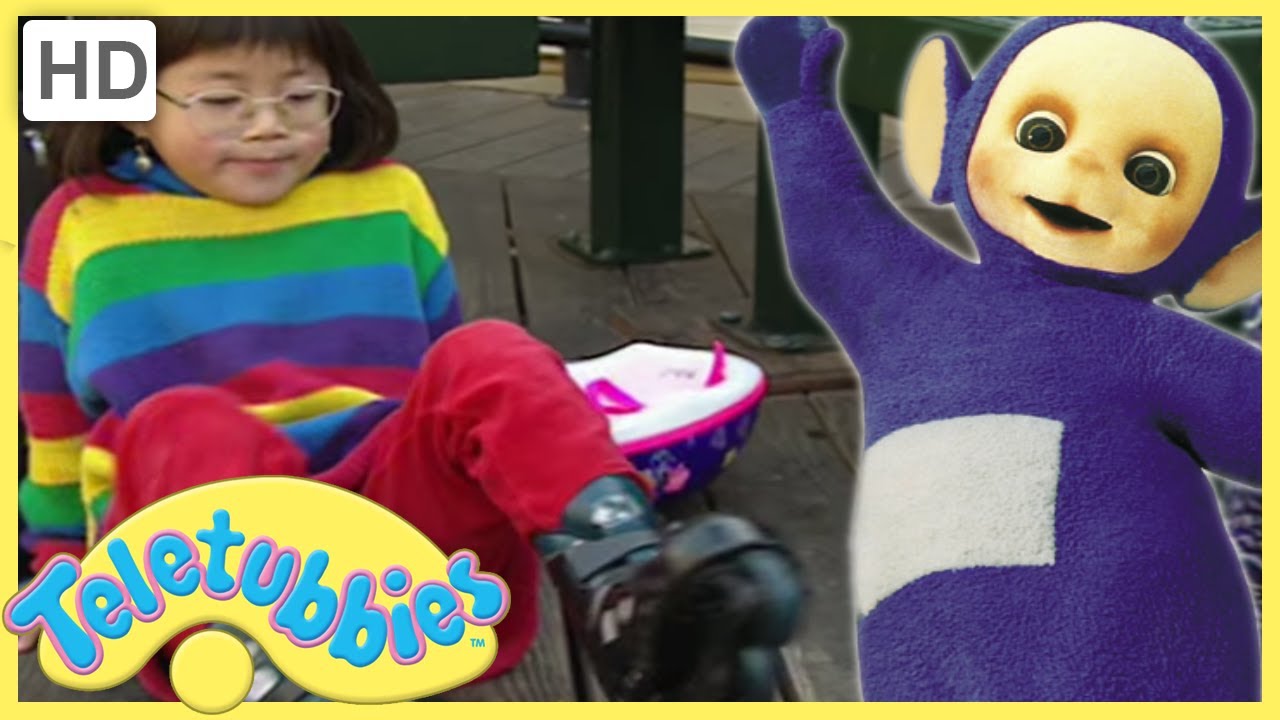

Teletubbies remains one of the most reliably calming things in the library: 95 out of 100 for settling a wound-up mood, 85 for lifting a flat one, comfort rated a perfect 100. It isn't rated ADHD-friendly, and the curator flags it as too babyish from around 8, but for its actual audience (under-7s) this is dependable, familiar comfort telly at 24 minutes.
At a glance
Will it actually calm them down?
 95/100 for settling a wound-up mood, near the top of the library.
 85/100 for lifting a flat, tired mood.
 75/100 for meltdown recovery, familiar and undemanding.
Scores measure how reliably this video moves a child toward a settled, regulated state. In the Piko app, kids tell us their weather and we do the matching automatically.
If videos usually end in tears in your house, the reason is rarely the video itself: why children melt down after screen time.
Which kids will love it?
Why it works
There's no presenter here (the gentle narration style is baked into the format rather than a person talking at the screen), and Teletubbies keeps its trademark repetition: high-pitched and repetitive sounds are both flagged, alongside bright colours, though overall sensory intensity still comes out low. Shots average 6.5 seconds, with a pacing score of 85 out of 100.
Regulation numbers are strong across the board: 95 out of 100 for settling a wound-up mood, 85 for lifting a flat one, 75 for meltdown recovery, all calming. It's flagged ASD-safe, PDA-safe, anxiety-safe and sensory-avoiding safe, though not ADHD-friendly, so a child who needs more variety on screen may not settle into it the way a sensory-avoiding child would.
Play-style scoring peaks hard at 4 to 5, where Dreamers and Companions both hit 95, then falls away fast: the curator flags a high rejection risk from around age 8, on grounds of motherese-style narration and simplified visuals. Educational value sits at 75 out of 100, built around outdoor play and physical activity skills alongside the familiar comfort format.
When to reach for it
- Twenty minutes while dinner's on. 24 minutes 21 seconds, comfort rated a perfect 100, with a natural ending point to work around.
- A sick-day watch. The most familiar, lowest-demand option in the library for a child who just wants something known.
- After a big meltdown. A 75 out of 100 red-zone score, no presenter, low overall sensory intensity.
Sensory & SEN notes
If you are weighing this one up for an autistic child, the same checks we ran here are the ones worth running yourself: how to choose videos for autistic children.
If they love this, try these


Questions parents ask
Is Teletubbies good for a sensory-avoiding child?
Yes, it's specifically flagged sensory-avoiding safe and ASD-safe, PDA-safe and anxiety-safe too, with comfort rated a perfect 100 out of 100. High-pitched and repetitive sounds are flagged, but overall sensory intensity still comes out low, and there's no epilepsy risk logged either.
What age is this Teletubbies episode best for?
Play-style scoring peaks hard at 4 to 5 years old, where Dreamers and Companions both hit 95 out of 100. The curator flags a high risk of it feeling too babyish from around age 8, due to the gentle, repetitive narration style.
How long is the Teletubbies Rollerblading episode?
1,461 seconds, just over 24 minutes, with a natural ending point and no cliffhanger. That makes it a solid length for a set block of screen time rather than a quick five-minute filler, and pacing scores 85 out of 100 throughout, brisk but never frantic.
Is Teletubbies good for a child with ADHD?
It isn't flagged ADHD-friendly, even though it scores well on most other regulation and sensory measures. The slow, repetitive format that makes it so calming for a sensory-avoiding child may not hold the attention of a child who needs more variety.
40+ checks per video, with a final pass from the review desk · Scored 11 July 2026 · We do not host videos; playback is via YouTube's official embed.