
The Life and Death of Theia | Piko
A dramatic science story about Theia and the event that helped shape our Moon.


SolarBalls tells the life and death of Theia, the planetary body associated with the Moon’s formation, through animated cosmic characters and a dramatic science narrative. Theia’s story gives SolarBalls a proper dramatic premise: a world appears, collides and helps explain the Moon. The pace is moderate, so it is a solid rainy-day science watch for children happy with a longer cosmic tale. Its particular mix of space and Earth science is the part to notice.
At a glance
Will it actually calm them down?
 Eases a wound-up mood back to settled.
 A gentle lift on a flat, low-energy afternoon.
 Steady enough for meltdown recovery.
Scores measure how reliably this video moves a child toward a settled, regulated state. In the Piko app, kids tell us their weather and we do the matching automatically.
For the long stretches where this sort of video does a lot of heavy lifting: surviving the holidays without a screen-time war.
Which kids will love it?
Why it works
The video makes an enormous collision understandable by giving it emotional shape, then leaves room for a child to ask what scientists can infer about an event no one witnessed. A collision billions of years ago is difficult to care about until it has a narrative shape. The animation gives children one, then leaves them with a real scientific question about how we know the past.
When to reach for it
- When a child wants more than a fact about space This is for seeing space in action, not just hearing a quick explanation.
- As a purposeful screen choice Put it on when its neutral mood fits what your child needs right now, then stop when that moment has passed.
- For someone drawn to Earth science The subject is specific enough that children who love Earth science will get far more from it than reluctant spectators.
Sensory & SEN notes
The weather chips above are our shorthand for the mood a child arrives in: what Piko Weather means.
If they love this, try these


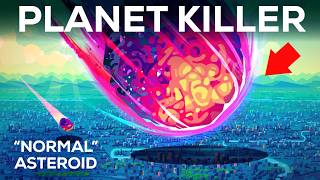
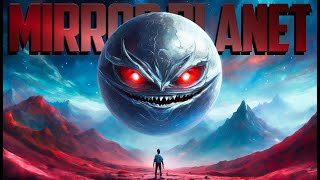

Questions parents ask
What actually happens in this space video?
Theia’s story gives SolarBalls a proper dramatic premise: a world appears, collides and helps explain the Moon. The pace is moderate, so it is a solid rainy-day science watch for children happy with a longer cosmic tale.
Is this space video a good fit for ages 8-9?
It is best for the 8-9 band when the child is already interested in space. Its length and detail ask for patience.
Is this space watch okay for a sensitive child?
The presentation is moderate in sensory intensity, with no specific audio or visual triggers flagged in the brief. Theia’s drama is cosmic rather than noisy, so a child chasing intense input may want something more physical.
What might a child take from this Earth science video?
It can prompt useful thinking about space, Earth science and storytelling. A collision billions of years ago is difficult to care about until it has a narrative shape. The animation gives children one, then leaves them with a real scientific question about how we know the past.
40+ checks per video, with a final pass from the review desk · Scored 19 July 2026 · We do not host videos; playback is via YouTube's official embed.