
Where Does Our Food Come From?: Tractor Ted's gentle farm-to-table Earth Day story
A calm ten-minute look at farming and food that scores 95 for settling a wound-up mood, among the strongest results in this whole batch.
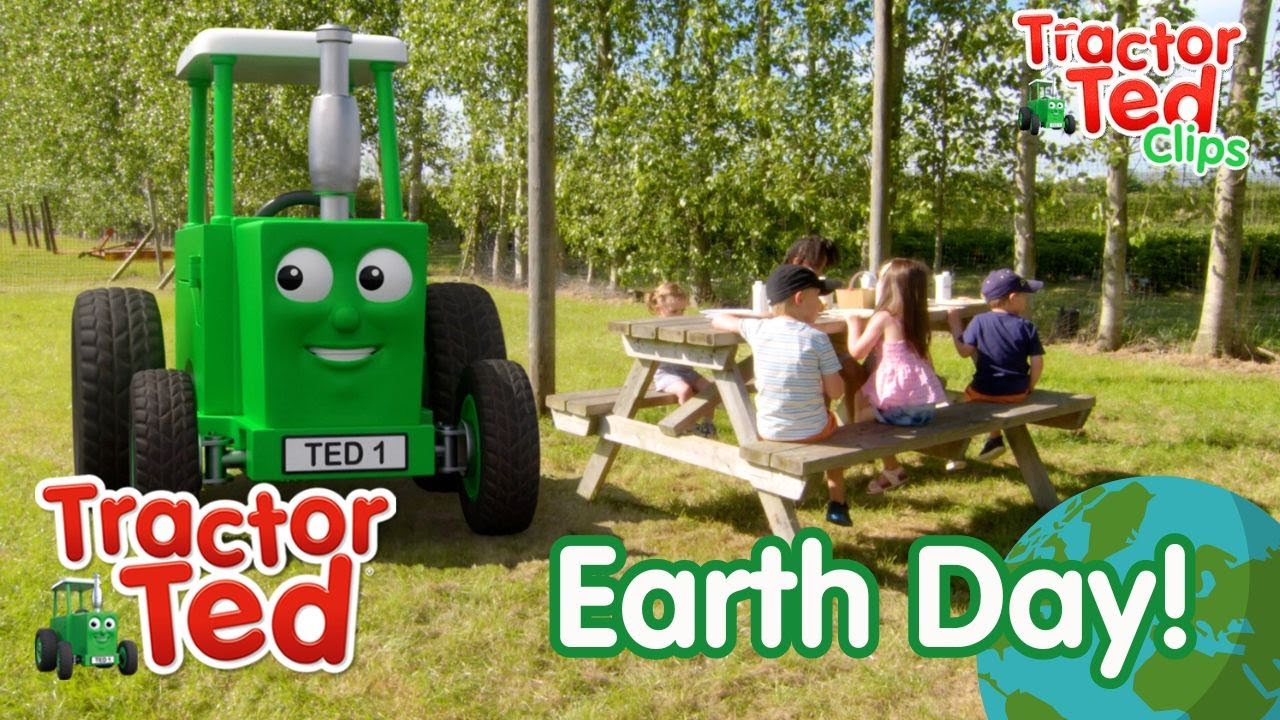

Tractor Ted does gentle, predictable farming content better than almost anyone, and this Earth Day episode about where food comes from is no exception. Yellow-to-green scores an excellent 95 and red-to-green 75, genuinely strong across the board, and the curator notes specifically flag it as good for SEN children who prefer gentle, predictable viewing. It's pitched young though: best kept for under-8s.
At a glance
Will it actually calm them down?
 Very strong at settling wound-up energy
 Also excellent at lifting a flat mood
 One of the stronger meltdown-recovery scores in this batch
Scores measure how reliably this video moves a child toward a settled, regulated state. In the Piko app, kids tell us their weather and we do the matching automatically.
If this is being rejected as babyish despite fitting the age, that is its own thing: why your four-year-old thinks Paw Patrol is for babies.
Which kids will love it?
Why it works
There's a presenter here, warm and genuinely calm (energy level rated calm, not just moderate), British, with a very low annoyance score of 1 out of 10, talking through farming and food at an unhurried 6.5 seconds a shot (pacing score 85). It's suggestion-based rather than instructional, and it reaches a proper ending with no cliffhanger.
The regulation numbers here are excellent across the board: yellow-to-green 95, blue-to-green 85, and red-to-green 75, strong enough that all three weather chips light up. That's a genuinely useful spread, this isn't a one-trick video, it works for settling, lifting and meltdown recovery alike.
Explorer is the standout play style (90 at ages 4 to 5), with Dreamer (85) and Companion (80) close behind: real curiosity about farms and the natural world, told gently. Sensory intensity is low throughout, and the curator notes flag it specifically as good for SEN children who need predictable, gentle content.
When to reach for it
- Dinner-prep window. Ten minutes of calm, self-contained storytelling, enough to get a meal properly on.
- Rainy-afternoon rescue. The farming and food theme pairs naturally with growing something, cooking together, or a garden explore afterwards.
- After a big meltdown. A red-to-green score of 75 and a genuinely calm presenter make it a strong post-meltdown pick.
Sensory & SEN notes
If they are already past the point where a video helps, start here instead: how to calm an overstimulated child.
If they love this, try these



Questions parents ask
Is this good for a child with SEN?
Yes, the curator notes specifically flag it as good for SEN children who prefer predictable, gentle content. It's rated ASD-safe, PDA-safe, anxiety-safe and ADHD-friendly, with low sensory intensity throughout and a genuinely calm, low-key presenter guiding the whole ten minutes.
What age is this best for?
It's pitched young: Explorer peaks at 90 for ages 4 to 5 and drops off by age 8, and the curator notes flag the style as likely too babyish for most over-8s, largely down to the slow pacing and simplified visuals.
Does it actually teach anything?
Yes, educational value scores 85 out of 100, covering farming, food production and Earth Day themes like sunflowers and the natural world, genuine hidden learning rather than padding, delivered gently by a warm presenter with an annoyance score of just 1 out of 10.
Will it help after a meltdown?
The numbers suggest yes: red-to-green scores 75 out of 100, a strong result, helped by a calm, low-key presenter (annoyance score just 1 out of 10) and low sensory intensity throughout, one of the stronger meltdown-recovery scores in this whole batch.
40+ checks per video, with a final pass from the review desk · Scored 11 July 2026 · We do not host videos; playback is via YouTube's official embed.