
How Imaginary Numbers Were Invented: proper maths, properly explained
Twenty-three minutes of genuine mathematical history, calmly paced and aimed at a mind that wants to actually understand something.
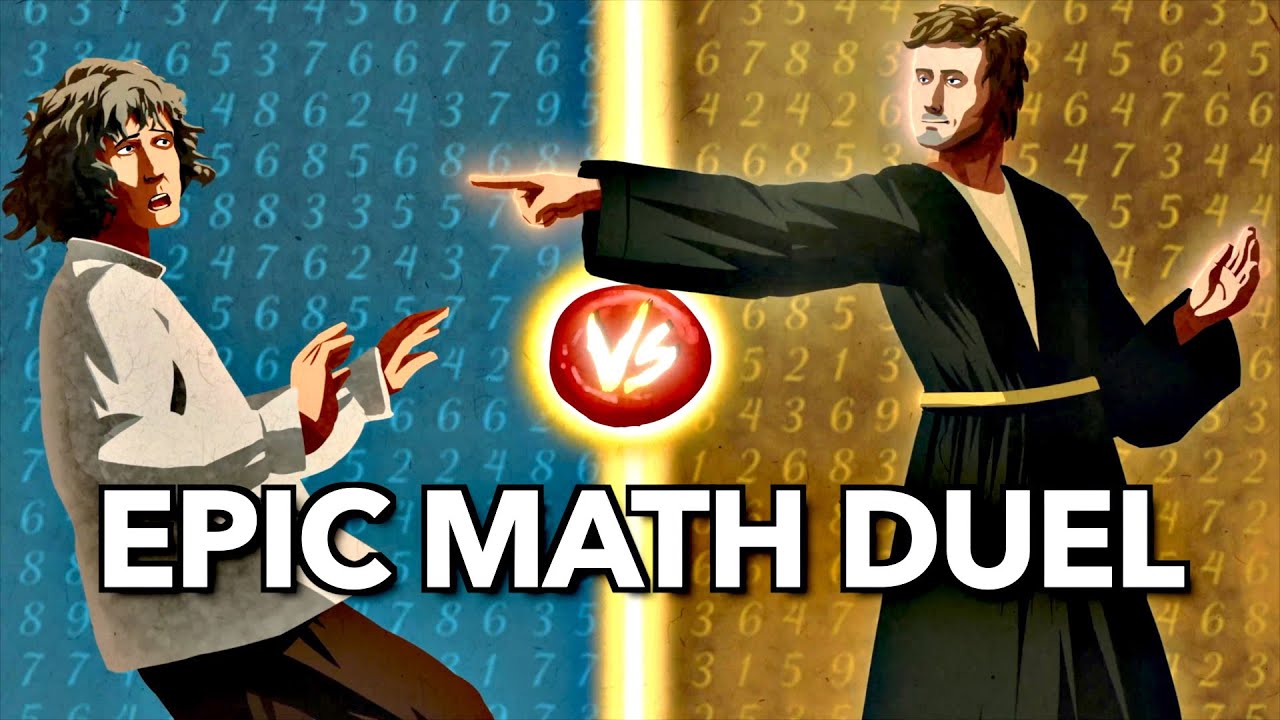

Veritasium tells the real history of imaginary numbers, who invented them and why, with the same unhurried, well-produced explanation style the channel is known for. It's a long watch and a genuinely demanding one conceptually, this is not passive entertainment, but for an older child with a real STEM interest it's close to ideal: calm, low sensory, and it respects the viewer's intelligence throughout.
At a glance
Will it actually calm them down?
 Brilliant on Windy days (fizzy, wound-up)
 Helps on Rainy days (flat, weary)
Scores measure how reliably this video moves a child toward a settled, regulated state. In the Piko app, kids tell us their weather and we do the matching automatically.
On how much of this a day is reasonable, the honest answer is less tidy than the headlines: how much screen time by age.
Which kids will love it?
Why it works
At 6.5 seconds a shot with no flagged audio or visual triggers, this sits at the calm, unhurried end of our whole library. Our scoring puts it at 85 out of 100 for settling a wound-up child, high for anything this cognitively demanding, proof that calm and interesting aren't opposites.
The content itself doesn't talk down: instructional level is rated high, and the video trusts an interested child to follow a genuinely tricky piece of maths history rather than simplifying it into mush. For a curious, independent learner, particularly one with a maths or science special interest, that respect is exactly the point.
The honest caveat is length and complexity rather than sensory load: at over twenty minutes with real conceptual weight, our data flags it as too much for a very young child or one who wants high-action entertainment. This is a video for a child who already wants to think, not one you put on to fill dead air.
When to reach for it
- The genuine STEM special interest. Real maths history, properly explained, for a child who wants depth over simplicity.
- A calm, focused long watch. Low sensory throughout, works well for a child who can sit with a longer, thinkier video.
- Independent learning time. Respects the viewer's intelligence rather than performing enthusiasm at them.
Sensory & SEN notes
If you are weighing this one up for an autistic child, the same checks we ran here are the ones worth running yourself: how to choose videos for autistic children.
If they love this, try these



Questions parents ask
Is this too advanced for most children?
For a young child or one without a specific maths or science interest, likely yes, our data flags very young viewers as a poor fit for the concepts involved. For an older, curious independent learner, it's pitched right.
Is it calming or exciting to watch?
Calming and measured. It scores 85 out of 100 for settling a wound-up child, helped by a genuinely unhurried pace and zero sensory triggers.
How long is it, and does that matter?
Just over twenty-three minutes, properly long for a single sitting. It suits a child who can hold focus on one topic rather than jumping between quick clips.
Any sensory concerns?
None flagged at all. No flashing imagery, no loud or sudden sounds, overall sensory intensity is low throughout.
40+ checks per video, with a final pass from the review desk · Scored 17 July 2026 · We do not host videos; playback is via YouTube's official embed.