
Vsauce Asks How Earth Moves: proper science, unhurried pace
Michael Stevens takes a genuinely mind-bending question and answers it slowly, calmly, and without a single jump cut for shock value.
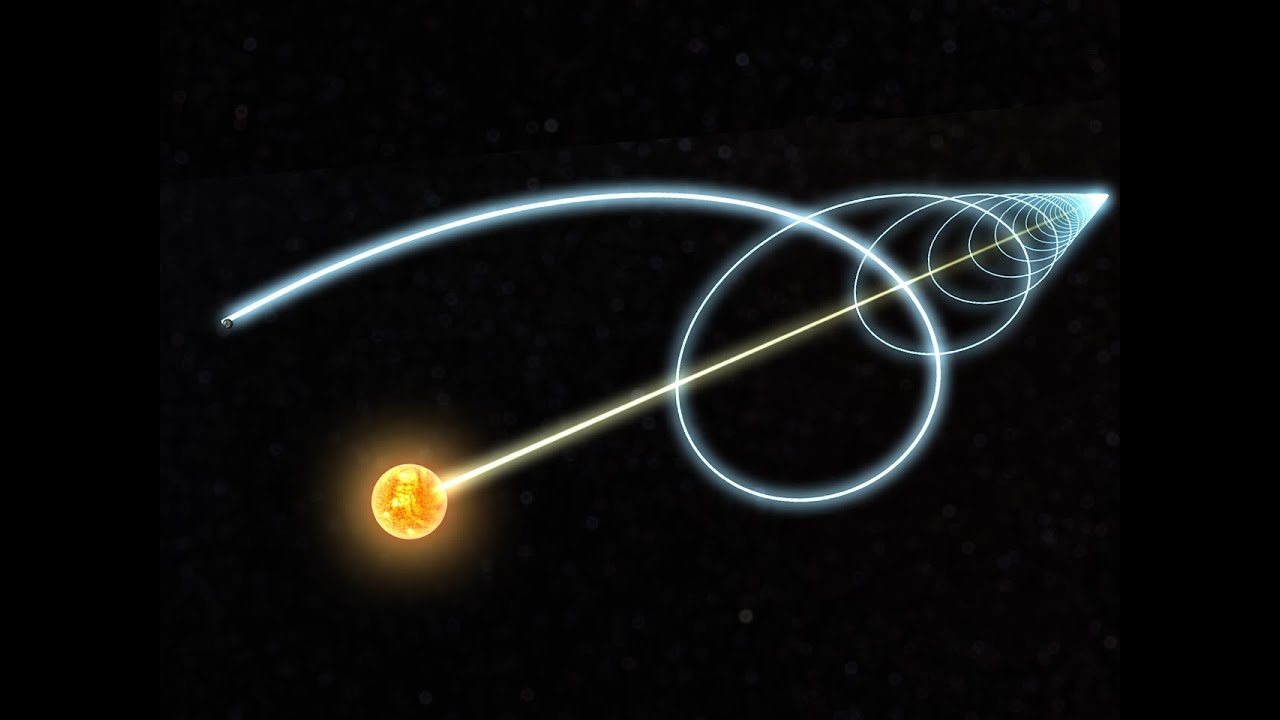

Vsauce built a career on questions that sound simple and turn out to be properly deep, and how Earth moves is a good example. It's a slow, thoughtful, occasionally philosophical 21 minutes, closer to a good documentary than typical kids' YouTube. Best for a child who already likes to ask 'but why' and won't mind not getting an instant answer.
At a glance
Will it actually calm them down?
 Brilliant on Windy days (fizzy, wound-up)
 Good on Rainy days, a gentle lift without being flat
 Can help once the initial peak has passed, though not our top pick for meltdown recovery
Scores measure how reliably this video moves a child toward a settled, regulated state. In the Piko app, kids tell us their weather and we do the matching automatically.
Our age band is a starting point rather than a rule: what age videos your child should actually watch.
Which kids will love it?
Why it works
Michael Stevens' whole style is unhurried curiosity: start with an ordinary-sounding question, follow it wherever the actual physics leads, and trust the viewer to keep up. There's no manufactured urgency here, just a genuinely interesting idea given room to breathe.
Our scoring backs that up with an average shot length of 6.5 seconds and no sensory triggers flagged, though overall intensity sits at moderate, likely down to how information-dense the visuals get rather than anything loud or flashing. It's labelled neutral for energy effect, but scores a strong 85 out of 100 for settling a wound-up child, so don't mistake 'neutral' for unremarkable.
It suits curious 8 to 11 year olds, particularly ones who are already asking bigger questions than their friends, and works well for home-learning or a rainy afternoon where an actual answer is welcome. Younger children may find the more abstract ideas hard to follow.
When to reach for it
- The kid who never stops asking 'but why'. A genuine deep-dive that respects the question instead of rushing past it.
- Home-learning or a homework-adjacent afternoon. Real science content, slow enough to actually follow.
- Older kids ready for ideas, not just facts. Some abstract thinking involved; younger children may find it hard to follow.
Sensory & SEN notes
If you are weighing this one up for an autistic child, the same checks we ran here are the ones worth running yourself: how to choose videos for autistic children.
If they love this, try these




Questions parents ask
What age is this Vsauce video best for?
Our scoring points to 8 to 11, matching kids who already enjoy science and can sit with an idea that takes a while to unfold. It's flagged as too abstract for under 6s.
Is it calming, given it's rated neutral?
It settles better than the neutral label suggests: 85 out of 100 for calming a wound-up child, thanks to slow pacing and Michael Stevens' steady, unhurried delivery.
Any sensory concerns?
None flagged specifically. Overall intensity is moderate, most likely from the density of ideas rather than anything loud or flashing, and it's rated safe for sensory-avoiding children.
Is there real educational value here?
Yes. This is genuine physics and astronomy content, well suited to home-learning or simply feeding a curious child's questions properly.
40+ checks per video, with a final pass from the review desk · Scored 17 July 2026 · We do not host videos; playback is via YouTube's official embed.