
Why Formula Cars Take Hours To Start: a fascinating look at racing engineering
An engaging and structured explanation of Formula 1 technology that captures curious minds without hyperactive vlogging.


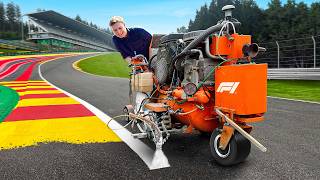
Matt Amys explores the technical preparation needed to start a Formula 1 car. This twelve-minute video is methodical and educational, at a steady 5.5-second shot average. It is an excellent match for Explorer and Thrill Seeker play styles, particularly children aged 8 to 9 obsessed with mechanical detail. The presentation is calm and clear, an engaging but focused science break that keeps a busy child steady rather than revved up.
At a glance
Will it actually calm them down?
 Eases a wound-up mood back to settled.
 A gentle lift on a flat, low-energy afternoon.
 Steady enough for meltdown recovery.
Scores measure how reliably this video moves a child toward a settled, regulated state. In the Piko app, kids tell us their weather and we do the matching automatically.
A settling video does more when you watch the first few minutes with them: what co-regulation actually means.
Which kids will love it?
Why it works
The video keeps interest high with real engines and pit-lane preparation, and because the creator speaks in a calm, informative tone rather than shouting at the camera, it holds focus without agitation. Explorers get the most from it, with Thrill Seekers close behind. Sensory intensity is moderate, though, the engine noise makes it less comfortable for very sensitive ears. It is a safe watch for ASD and PDA needs.
When to reach for it
- Interest-led study break. Great for giving active minds a satisfying, physics-based video that does not trigger hyperactive behaviors.
- Settle down before dinner. The technical details help ground buzzy energy into quiet observation.
Sensory & SEN notes
If you are weighing this one up for an autistic child, the same checks we ran here are the ones worth running yourself: how to choose videos for autistic children.
If they love this, try these





Questions parents ask
Is this video loud?
It features moderate engine noise in the background, but the host's voice is mixed cleanly and stays at a conversational level.
Do they need to be racing fans to enjoy this?
Not at all. The focus is on mechanical engineering and temperature rules, making it great for any child who asks 'how things work'.
40+ checks per video, with a final pass from the review desk · Scored 19 July 2026 · We do not host videos; playback is via YouTube's official embed.