
Color Freeze Dance Challenge: get the wiggles out with Sesame Street friends
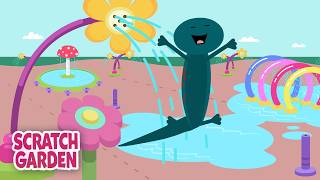
A dance-and-freeze game with Elmo, Abby and Grover that turns pent-up energy into giggles.


This one's built to energise, not settle: a 90/100 for lifting a flat, tired mood, genuinely useful for getting a low-energy afternoon moving again. It's loud and bright by design (moderate sensory intensity, with loud music and bright colours flagged), so it suits a sensory-seeking child far more than a sensory-avoiding one. Best treated as a wiggle-burner, not a wind-down.
At a glance
Will it actually calm them down?
 Strong pick for lifting flat, tired moods (90/100).
Scores measure how reliably this video moves a child toward a settled, regulated state. In the Piko app, kids tell us their weather and we do the matching automatically.
The zone labels in that chart come from a framework your school may already use: the Zones of Regulation, for parents.
Which kids will love it?
Why it works
The freeze-dance format does exactly what it says: move to the music with Elmo, Abby and Grover, then stop dead when it pauses. It's an energising watch (a blue-to-green score of 90) rather than a calming one, with pacing that holds at a brisk 75/100 and shots cutting every 4.2 seconds on average, quick enough to match the dancing without turning frantic.
It scores highest with the Movers and Companions play styles at age 4 to 5 (95 for both), which fits: this is shared, physical, familiar-character fun rather than quiet solo play. Entertainers aren't far behind at 90. The trade-off is sensory load: moderate intensity overall, with loud music and bright colours flagged, so it's a better fit for a sensory-seeking child than one who needs things toned down.
Our verdict flags it for preschoolers, active children and Sesame Street fans, and steers away from older children (8+) and anyone needing calm-down content, which the data backs up: it's tagged as likely to feel babyish once a child hits 8, with high-pitched voices and primary-colour visuals among the reasons why.
When to reach for it
- Burning off extra energy. A 90/100 blue-to-green score means it's built to lift a flat mood, not settle a wound-up one.
- A dance break between tasks. Short at 3 minutes 39, with a natural ending, so it slots into a transition without overrunning.
- Sensory-seeking children. Our data flags it as a better match for sensory-seeking children than sensory-avoiding ones, loud music and bright colours included.
Sensory & SEN notes
The engaging-without-frantic balance this video strikes is the one that tends to matter most for ADHD: what actually helps with ADHD and screen time.
If they love this, try these




Questions parents ask
Will this calm my child down or wind them up?
Wind them up, in a good way. It's flagged as energising with a blue-to-green score of 90/100, meaning it's best for lifting a flat, tired mood rather than settling a wound-up one. Save it for when you want movement, not stillness.
Is the Color Freeze Dance Challenge too much for a sensitive child?
It runs moderate on sensory intensity, with loud music and bright colours flagged, and our data marks it as a better fit for sensory-seeking children than sensory-avoiding ones. It's still rated safe for ASD, PDA and anxiety, just not a quiet watch.
What age is this best for?
It peaks at age 4 to 5, scoring 95/100 for both Movers and Companions play styles. Our verdict flags it for preschoolers and active children specifically, and notes it's likely to feel babyish for children aged 8 and over.
Is this good for winding down after school?
No, this is the opposite: it's an energising watch built to get children moving, not settle them. For an after-school wobble, look for something with a higher yellow-to-green score and a calming energy effect instead.
40+ checks per video, with a final pass from the review desk · Scored 11 July 2026 · We do not host videos; playback is via YouTube's official embed.