
Dr Binocs Explains the Butterfly Effect: chaos theory made bite-sized
A proper scientific concept, boiled down without being dumbed down. Good fuel for the kid who asks "but why" four times in a row.
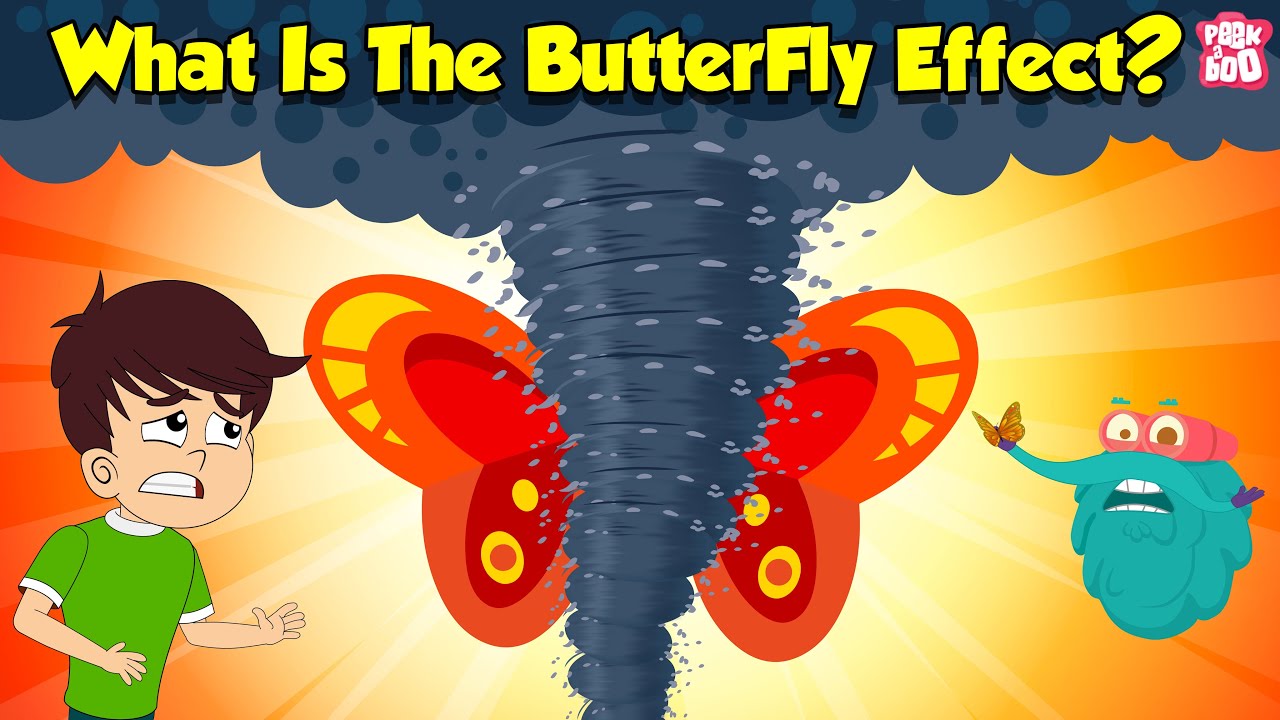

Bob the mole takes on chaos theory, of all things, and makes it click: small changes can cascade into big, unpredictable outcomes. It's more abstract than Dr Binocs' usual animal-fact fare, so it lands best with a child who already likes turning ideas over, but it's handled with the same clear structure and cheerful pace as the rest of the series.
At a glance
Will it actually calm them down?
 Helps on Windy days, curiosity can take the edge off fizzy energy
 Brilliant on Rainy days (something to learn when there's nothing else on)
Scores measure how reliably this video moves a child toward a settled, regulated state. In the Piko app, kids tell us their weather and we do the matching automatically.
Longer watches are easier to start than to stop: how to end screen time without a battle.
Which kids will love it?
Why it works
This is Dr Binocs stretching into proper conceptual territory rather than a straightforward fact. Chaos theory and the butterfly effect are genuinely tricky ideas for adults, let alone children, and the episode's trick is building from something concrete (a butterfly flapping its wings) up to something abstract (weather systems, unpredictability) without losing the thread. Shot length sits at 4.2 seconds, sensory intensity moderate, well within comfortable territory.
Educationally this is a strong one: our score reads 95 out of 100, among the highest in this batch. It respects the child's intelligence rather than flattening the idea into something meaningless, which is exactly the kind of "explains it properly" content that builds genuine curiosity rather than passive watching.
The one honest caveat, echoed in our own review, is that very young children may find the concept too abstract to land, and the video does briefly show tornado and bee imagery that could unsettle the youngest end of the audience. For a 6 to 9 year old already asking "why does that happen?", this is close to ideal.
When to reach for it
- The relentless question-asker. Give them a proper answer instead of "because it just does".
- Cooking dinner, want genuine learning value. Six minutes, self-contained, a real concept explained properly.
- Not for a child under 5 or 6. The abstraction (and the brief tornado and bee imagery) suits an older, more established curiosity.
Sensory & SEN notes
The engaging-without-frantic balance this video strikes is the one that tends to matter most for ADHD: what actually helps with ADHD and screen time.
If they love this, try these




Questions parents ask
Is chaos theory really something a child can understand?
This episode builds it carefully from a concrete image (a butterfly's wings) to the abstract idea, and our educational score of 95 reflects how well it manages that. It suits an already-curious 6 to 9 year old best.
Anything scary in it?
Nothing graphic. There's brief imagery of tornadoes and bees illustrating the concept, flagged as a possible fear trigger for 4 to 5 year olds specifically, not for the core 6 to 9 audience.
How does it compare to the animal-facts episodes?
Same presenter, same cheerful pace, but a more abstract topic. If your child loves the concrete animal-fact episodes, this is a good next step up in complexity.
Will it hold attention or feel like a lecture?
It's paced steadily rather than fast, 4.2 second average shots, but Dr Binocs' visual gags and clear structure keep it from ever feeling like a lecture.
40+ checks per video, with a final pass from the review desk · Scored 17 July 2026 · We do not host videos; playback is via YouTube's official embed.