
Kurzgesagt "Aliens Under the Ice": the science of far-away oceans
Gorgeously animated speculative science for kids who ask "but how do we know?"
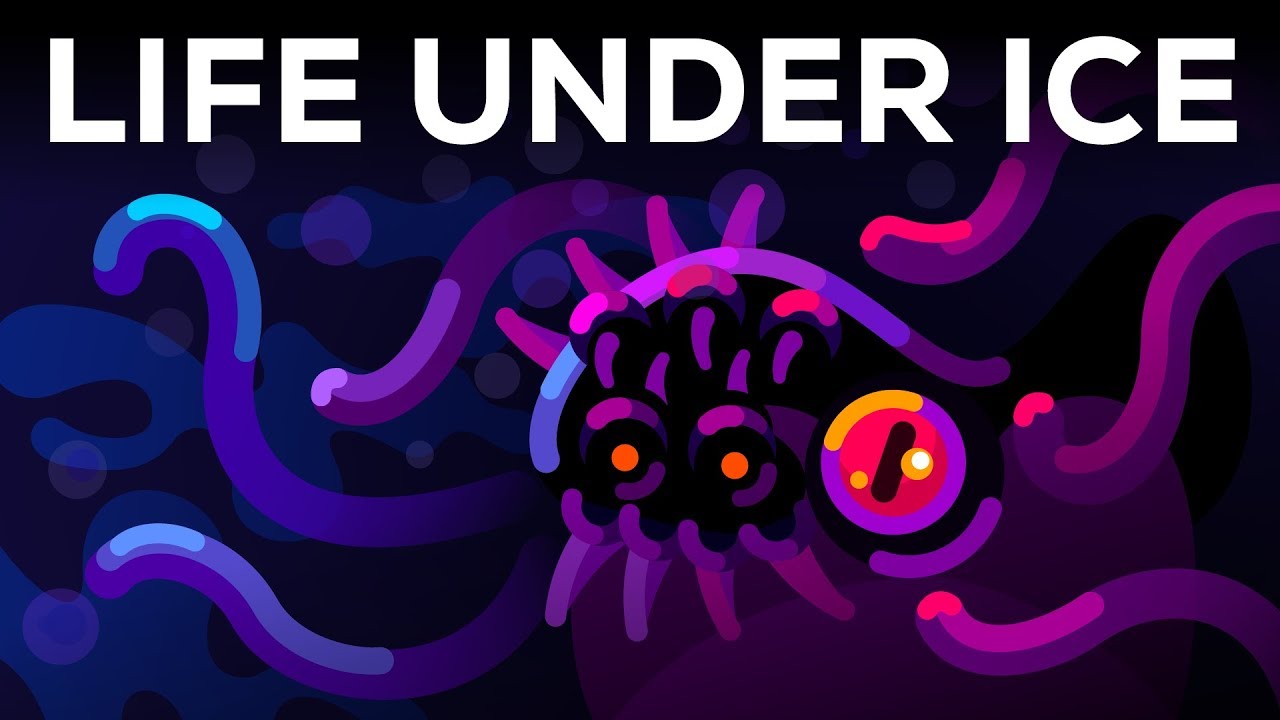

Kurzgesagt at its best: gorgeous, colourful animation used in service of a genuinely big scientific idea, whether life could exist in the oceans of planets that drift alone in space, with no sun to orbit. Thoughtful, well-explained, and honest about what's known versus speculated. A strong pick for a genuinely curious child, with a small honest caveat about tone.
At a glance
Will it actually calm them down?
 Good on Windy days, absorbing enough to settle a busy mind
Scores measure how reliably this video moves a child toward a settled, regulated state. In the Piko app, kids tell us their weather and we do the matching automatically.
For the long stretches where this sort of video does a lot of heavy lifting: surviving the holidays without a screen-time war.
Which kids will love it?
Why it works
The Kurzgesagt house style does a lot of work here: dense scientific ideas rendered in bright, friendly animation, paced to keep a young audience following along without dumbing anything down. Our review flags bright colours as the main sensory feature, with no audio triggers, at a measured 5.2 second average shot.
What makes it genuinely educational rather than just pretty is the honesty about uncertainty: this is speculative science, and the video is upfront about what we actually know versus what's a reasonable guess. That's a good model of scientific thinking for a curious child.
One small honest flag from our review: the imagery of dark, lonely, sunless planets and the idea of isolation may read as slightly unsettling for a very young or anxious child, even though nothing is designed to frighten. Best matched to an independent-minded older child who enjoys big questions.
When to reach for it
- The big-question thinker. Genuine scientific speculation, honestly framed, good for a child who likes having ideas stretched.
- A homeschool or classroom supplement. Specifically well-suited to supplementing space or science learning at home.
- Mind the dark, lonely imagery. Our review notes the sunless-planet visuals may feel slightly unsettling for a very young or anxious child.
Sensory & SEN notes
Whether this suits your child depends on which way they lean sensory-wise, and the two are often confused: the difference between sensory seeking and sensory avoiding.
If they love this, try these


Questions parents ask
Is any of this actually scientifically accurate, or is it made up?
It's grounded in real astrophysics, rogue planets (ones not orbiting a star) genuinely exist, and the video is careful to flag what's established science versus reasonable speculation about the rest.
Could this be scary for a younger child?
Our review flags a small caveat: the imagery of dark, sunless, isolated planets may feel slightly unsettling for a very young or anxious child, though nothing is designed to frighten and no fear triggers are formally flagged.
What age suits this best?
Our scoring points to older, independent learners, roughly 10 to 11, who can follow the scientific speculation and appreciate the nuance between known fact and informed guesswork.
Is it calming or exciting?
Neither strongly, it's a genuinely neutral, thoughtful watch. Absorbing rather than either soothing or hyping, closer to a good documentary than either extreme.
40+ checks per video, with a final pass from the review desk · Scored 17 July 2026 · We do not host videos; playback is via YouTube's official embed.