
Vsauce's "Is Earth Actually Flat?": a rabbit hole for the kid who won't stop asking why
Ten minutes of proper scientific curiosity dressed up as a silly question. Built for the independent thinker, not the under-7s.
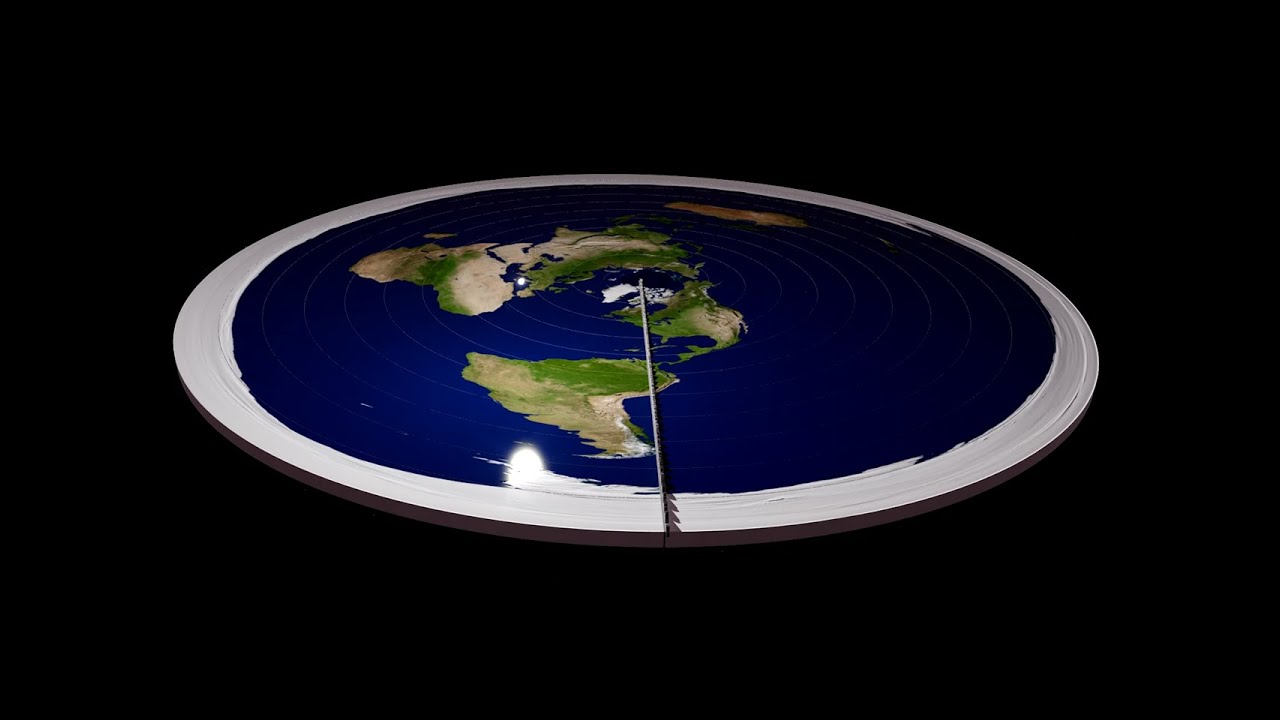

Michael Stevens takes a daft-sounding question and turns it into a genuine tour of how we actually know what shape our planet is. It's rapid, it's dense, and it asks kids to sit with an idea rather than just watch it go by. Brilliant for a curious 9 to 11-year-old with the attention span to follow; a rough fit for anyone younger or anyone after background noise rather than a proper think.
At a glance
Will it actually calm them down?
 Good on Rainy days (curious minds want something to chew on)
 Fine on Windy days, once they're ready to sit and think
Scores measure how reliably this video moves a child toward a settled, regulated state. In the Piko app, kids tell us their weather and we do the matching automatically.
At this age the wider question is usually what comes after YouTube: what the UK under-16 social media ban means.
Which kids will love it?
Why it works
Vsauce built a career on questions that sound stupid until you realise they're not, and "Is Earth Actually Flat?" is a perfect example. Michael Stevens starts with the daftest possible framing and uses it to walk through how humans have actually measured, mapped and proven the shape of the planet, from ancient shadow experiments to modern satellite geodesy. It's the opposite of clickbait despite the title doing exactly what clickbait does.
Our analysis clocks the average shot at 5.2 seconds, unhurried by YouTube standards but still asking for real attention: cuts, diagrams and the odd sudden sound sting keep pulling focus forward. This is a watch-with-your-brain-on video, not a watch-while-you-eat-tea one, and it rewards a kid who can sit with an idea for ten minutes rather than one who needs a new visual every two seconds.
Because it's mentally energising rather than calming, it suits the independent, curious child best: the one who asks "but how do we know that" and actually wants the answer. It's a poor fit for very young children or for a wind-down watch. Save it for a kid who's alert and wants something to chew on, not one who's flat or wound up.
When to reach for it
- Dinner's cooking and they want to think. Ten minutes of proper engagement for an independent 9 to 11-year-old, no supervision required.
- The "why" phase that won't quit. For the child who questions everything, this gives them a real answer instead of a shrug.
- A rainy Saturday with nothing better on. Curious, indoor, and genuinely educational without ever feeling like homework.
Sensory & SEN notes
If you are weighing this one up for an autistic child, the same checks we ran here are the ones worth running yourself: how to choose videos for autistic children.
If they love this, try these



Questions parents ask
What age is this Vsauce video actually right for?
Our scoring flags it for curious 9 to 11-year-olds and independent learners; it's explicitly not built for under-7s. If your child is younger but obsessed with space and how things work, watch it together first and see how they get on.
Is it actually about flat earth conspiracy theories?
No. It uses the daft-sounding question as a hook to explain how we've measured and proven the Earth's shape through history. It's science communication, not a platform for the theory in the title.
Will it wind my child up or calm them down?
Neither, really; it's mentally energising. It scores 60 out of 100 for settling a wound-up child, which is moderate, and 85 for lifting a flat, tired one. Best used when they're alert and want something to think about, not right before bed.
Any sensory concerns?
Sensory intensity is moderate: fast cuts and the odd sudden sound effect. It's not built for sensory-avoiding children, and it's not calm enough for meltdown recovery. Otherwise it's autism, PDA and anxiety-friendly, with no demand language.
40+ checks per video, with a final pass from the review desk · Scored 17 July 2026 · We do not host videos; playback is via YouTube's official embed.