
Learn to Count & Play!: gentle number songs with Charlie
A calm, sing-along numeracy compilation built tightly for the preschool years, with scores dropping off fast after age 7.


A cheerful, song-based counting compilation starring Charlie, scoring 95 for lifting a flat, tired mood and 90 for settling a wound-up child. Our verdict data is unusually precise about its age window here: preschoolers and early learners are named directly, with children over 7 and thrill seekers both flagged to avoid.
At a glance
Will it actually calm them down?
 Reliably settles a wound-up child.
 One of our strongest picks for lifting a flat mood.
 Solid support for meltdown recovery too.
Scores measure how reliably this video moves a child toward a settled, regulated state. In the Piko app, kids tell us their weather and we do the matching automatically.
The zone labels in that chart come from a framework your school may already use: the Zones of Regulation, for parents.
Which kids will love it?
Why it works
Shots average 6.5 seconds and pacing scores a high 85, brisk enough to suit a sing-along format. High-pitched voices and bright colours are both flagged, keeping sensory intensity at low rather than none, typical for this style of early-years content.
It peaks hard with Companions (95) and Dreamers (90) at age 4 to 5, though the scores drop away sharply from age 6 onward, among the steepest age cliffs we've measured. The tone is suggestion-based and fully autonomy-respecting, landing it as ASD-safe, PDA-safe, anxiety-safe and ADHD-friendly, with no fear triggers flagged at any age.
Educational value scores a strong 85, built around counting and early numeracy through songs and games rather than a formal lesson. Our data flags a high risk of it feeling babyish from around age 8, so it's one to make the most of during the actual preschool years.
When to reach for it
- Bedtime wind-down. Scores 90 for settling a wound-up child, alongside a 95 for lifting a flat mood.
- Sick day on the sofa. A comfort rating of 95 and a fully familiar, low-demand sing-along format.
- Twenty minutes to cook dinner. Runs almost 20 minutes with a natural stop, easy to leave running.
Sensory & SEN notes
Whether this suits your child depends on which way they lean sensory-wise, and the two are often confused: the difference between sensory seeking and sensory avoiding.
If they love this, try these
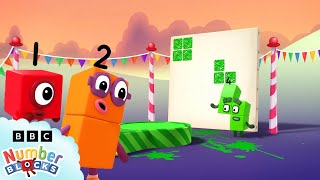





Questions parents ask
What age is this really built for?
Very specifically the preschool years: our verdict data names preschoolers and early learners directly, and scores drop away sharply from age 6 onward. Children over 7 and thrill seekers are both flagged as a weaker fit.
Will this help with counting practice?
Yes, educational value scores a strong 85, with the whole format built around songs and games that teach numbers and counting. It peaks with Companions (95) and Dreamers (90) at age 4 to 5.
Will the voices or colours be too much?
High-pitched voices and bright colours are both flagged, though overall sensory intensity still comes out low. It's a common feature of energetic, song-led early-years content.
Is it calming or does it wind children up?
It leans calming: 90 out of 100 for settling a wound-up child and 95 for lifting a flat, tired mood. Meltdown recovery scores a solid 75 too, so it covers most regulation needs well.
40+ checks per video, with a final pass from the review desk · Scored 11 July 2026 · We do not host videos; playback is via YouTube's official embed.