
Nat Geo Kids' "Kids vs. Plastic" crafts: eco-lessons you can actually make
A friendship bracelet, rainbow unicorn ice pops and a gentle reduce-plastic message, busy and colourful rather than calm, but genuinely useful.
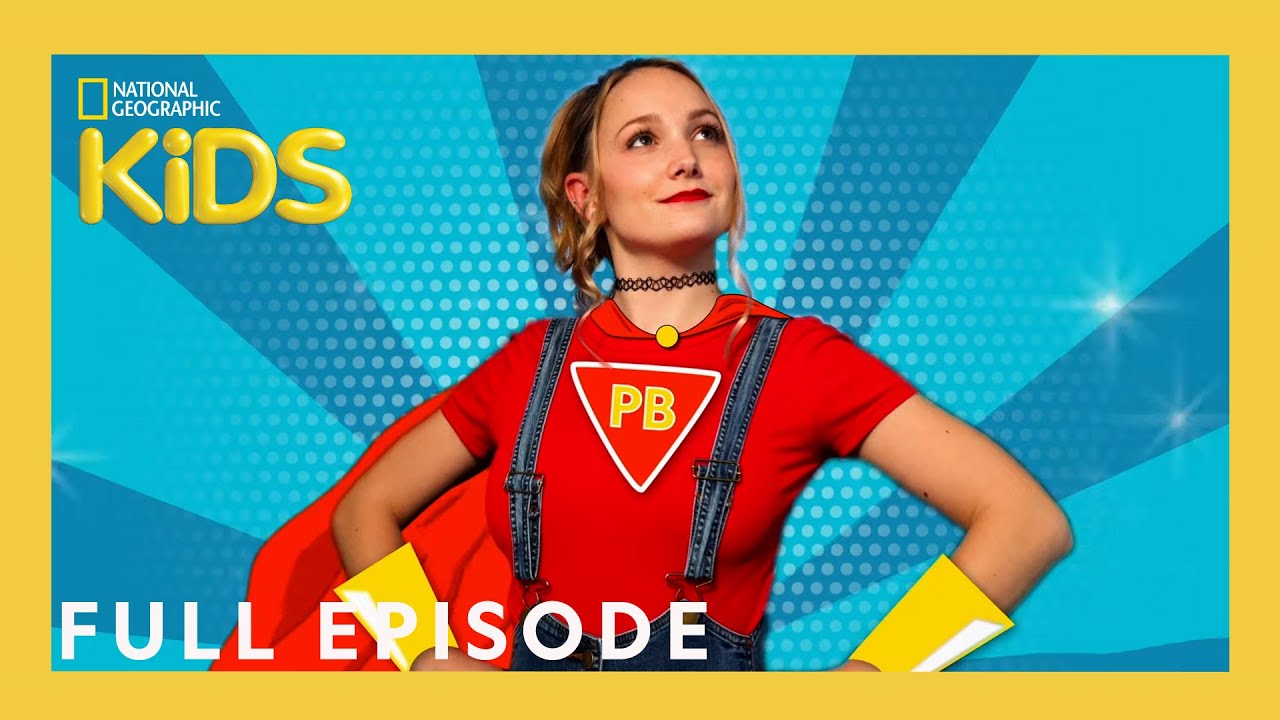

Nat Geo Kids' Kids vs. Plastic strand turns environmental awareness into hands-on craft time: a friendship bracelet, rainbow unicorn ice pops and more, all with a gentle reduce-plastic message woven through. It is busy and colourful rather than calm, but it is genuinely good at turning "be kind to the planet" into something a child can actually go and make.
At a glance
Will it actually calm them down?
 Good on Windy days (engaging, still fairly grounded)
 Limited help on Stormy days
Scores measure how reliably this video moves a child toward a settled, regulated state. In the Piko app, kids tell us their weather and we do the matching automatically.
For the long stretches where this sort of video does a lot of heavy lifting: surviving the holidays without a screen-time war.
Which kids will love it?
Why it works
This works because it does not lecture, it demonstrates: each craft segment shows a plastic-free alternative being made step by step, so the environmental message arrives through doing rather than through being told. Our analysis clocks the average shot at 3.8 seconds and flags moderate overall sensory intensity, with sudden sounds as the audio trigger alongside fast cuts and bright colours visually. It moves briskly between segments without ever feeling frantic.
The regulation scoring shows a solid, engaged watch rather than a calming or hugely energising one: 80 for settling a wound-up child, 70 for lifting a flat one, and a more modest 40 for meltdown recovery. The neutral energy effect fits a video built to hold interest through craft demonstrations rather than through pace or noise.
It suits children interested in the environment or kitchen crafts, and works nicely as a classroom-style educational break. With a medium instructional level, it is pitched at children old enough to actually follow and attempt the crafts themselves, not just watch passively.
When to reach for it
- A craft-and-make afternoon. Multiple short projects strung together, easy to pause and copy along with.
- Eco-conscious family values in action. The reduce-plastic message arrives through making things, not through a lecture.
- A rainy day indoor activity prompt. Watch a segment, then go and actually make the bracelet or the ice pops.
- A classroom-style educational break. Explicitly flagged by our scoring as good for this kind of structured downtime.
Sensory & SEN notes
The engaging-without-frantic balance this video strikes is the one that tends to matter most for ADHD: what actually helps with ADHD and screen time.
If they love this, try these



Questions parents ask
What do they actually make in this video?
A DIY friendship bracelet and rainbow unicorn ice pops are the headline projects, plus more plastic-free alternatives, all framed around Nat Geo Kids' Kids vs. Plastic environmental strand.
What age does this suit?
Roughly 6 to 10. The medium instructional level means it is pitched at children old enough to follow and attempt the crafts themselves, not just watch passively.
Is there a genuine educational angle, or is it just crafts?
Both. The crafts are real and followable, and each one carries a specific environmental message about reducing plastic use, tied to Nat Geo Kids' broader Kids vs. Plastic content.
Any sensory concerns?
Moderate overall intensity, with sudden sounds as the audio trigger alongside fast cuts and bright colours. Nothing flagged as a serious concern for most children.
40+ checks per video, with a final pass from the review desk · Scored 17 July 2026 · We do not host videos; playback is via YouTube's official embed.