
Build The Best Lego, Win $1,000: proper engineering under pressure
20 minutes of Lego builds, destruction tests and a cash prize on the line. Loud, fast, and not remotely calming.
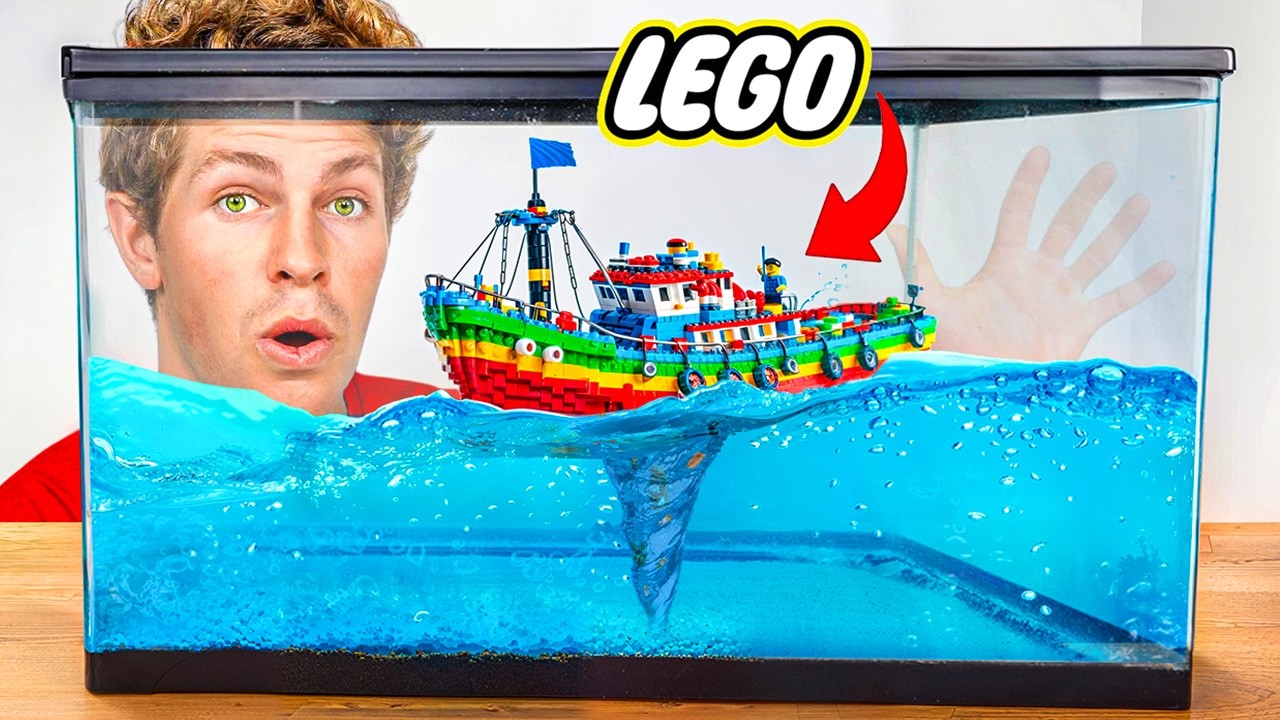

Contestants build the strongest, cleverest or most creative Lego structure they can, then watch it get tested, sometimes to destruction, for a $1,000 prize. It's genuinely engaging if your child is into Lego or how things are built (and stay for the destruction testing, which teaches more about physics than it means to). This isn't anxiety-safe content across the board, our scoring flags it directly, so a child who worries easily might find the stakes and the smashing a bit much.
At a glance
Will it actually calm them down?
 Good on Rainy days (flat, bored, needs lifting)
Scores measure how reliably this video moves a child toward a settled, regulated state. In the Piko app, kids tell us their weather and we do the matching automatically.
Longer watches are easier to start than to stop: how to end screen time without a battle.
Which kids will love it?
Why it works
This is a build-and-test format: real Lego, real engineering choices, then a genuine stress test to see what survives. For a child who likes construction, or just likes watching things get knocked down, there's a satisfying honesty to it: no fake drama, just 'will this hold or won't it'. The prize money adds stakes without being the whole point.
Our analysis rates the sensory profile as high throughout, fast cuts, loud music, sudden sounds, and an average shot length of 2.8 seconds. It's energising rather than calming by design, scoring 20 out of 100 for settling a wound-up child and 70 for lifting a flat one. Notably, our scoring flags this one as not reliably anxiety-safe, which tracks: destruction and loud noise are part of the format, and a sensitive child may read the smashing stage as more dramatic than intended.
There's real substance underneath, though: educational scoring comes in at 45 out of 100, with genuine hidden learning about structural engineering, and it's not flagged as babyish for older primary children. Commercial pressure is rated subtle, with medium pester power, mostly toward Lego itself, which is honestly a reasonable thing for a Lego-loving child to want more of.
When to reach for it
- A Lego-obsessed child with energy to spend. Genuine building inspiration, not just entertainment.
- Before their own build-and-test session. Watch the destruction testing, then go stress-test their own creation.
- A long car journey or quiet chore time. 20 minutes of one continuous format, easy to half-watch.
Sensory & SEN notes
The engaging-without-frantic balance this video strikes is the one that tends to matter most for ADHD: what actually helps with ADHD and screen time.
If they love this, try these





Questions parents ask
Is this okay for an anxious child?
Worth checking first: our scoring flags it as not reliably anxiety-safe. The destruction-testing stage is played for drama, and a sensitive child may find the smashing and loud reactions more intense than intended.
What age suits this best?
Our scoring centres this on 8 to 9 and up, with no babyish flag even at the older end of primary. It's not recommended under 5.
Any scary bits?
Our review flagged loud noises and destruction as possible startles for 4 and 5-year-olds specifically. Nothing flagged from 6 up.
Will my child want more Lego afterwards?
Probably, but that's honestly one of the milder pester risks going. Commercial pressure is rated subtle, with medium pester power, mostly toward Lego sets.
40+ checks per video, with a final pass from the review desk · Scored 17 July 2026 · We do not host videos; playback is via YouTube's official embed.