
Can Water Solve a Maze? Steve Mould's Properly Absorbing Physics
Nine minutes of genuine curiosity and quiet, well-explained science. Calming in the way a good puzzle is calming, not in the way silence is.
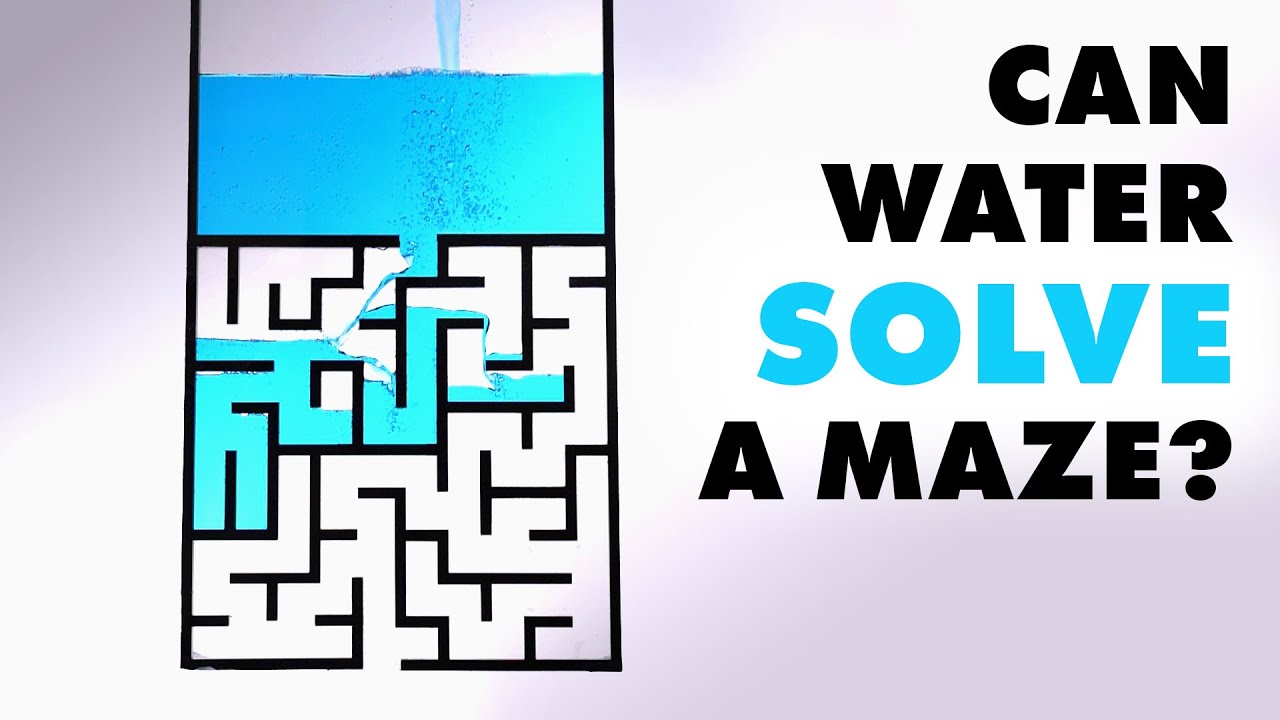

Steve Mould poses a genuinely interesting question, can water find its way through a maze, and answers it with real experiments and clear, unhurried explanation. This is quiet-time science at its best: low sensory load, real intellectual engagement, nothing rushed. It settles a wound-up child well, though it asks for a bit more attention than pure background-calm content.
At a glance
Will it actually calm them down?
 Strong on Windy days (fizzy, wound-up), calming through curiosity rather than blankness
 Good on Rainy days too, a proper, absorbing sit
Scores measure how reliably this video moves a child toward a settled, regulated state. In the Piko app, kids tell us their weather and we do the matching automatically.
Longer watches are easier to start than to stop: how to end screen time without a battle.
Which kids will love it?
Why it works
The premise is a proper hook: a simple, curious question with a satisfying, visual answer. Steve Mould's style is unhurried and clear, shots held for 6.5 seconds on average, no jump cuts chasing attention, just a demonstration allowed to unfold.
Our data shows this lands well for settling a wound-up child too: low sensory intensity throughout, no audio or visual triggers flagged at all, and a calm, explanatory tone from start to finish. It's flagged specifically for curious children, children interested in how things work, and quiet time viewing.
The one honest caveat: this asks for engaged attention rather than passive watching, it's calming because it's absorbing, not because it's low-stimulus wallpaper. A child chasing pure high-action entertainment is flagged as a weaker fit.
When to reach for it
- Quiet time that still engages the brain. Calming through genuine curiosity, not through blankness, good for a child who needs to think as well as settle.
- The child who asks "but why" about everything. A real experiment, real physics, explained without talking down.
- A gentle after-school wind-down with substance. Low sensory load and unhurried pacing, without feeling babyish for an older child.
Sensory & SEN notes
Whether this suits your child depends on which way they lean sensory-wise, and the two are often confused: the difference between sensory seeking and sensory avoiding.
If they love this, try these






Questions parents ask
Is this too advanced for a younger child?
It's pitched at a medium level, explained clearly but assuming some ability to follow a chain of reasoning. We'd suggest 6 to 9 as the sweet spot, with older children getting even more from it.
Will it actually calm my child down?
Yes, reasonably well, it scores 85 out of 100 for settling a wound-up child. It's a calmer, more absorbing kind of settling than pure sensory-soothing content, since it still asks for attention.
Is there anything overstimulating in it?
No, our sensory intensity rating is the lowest band, low, with no audio or visual triggers flagged at all.
Is it actually educational, or just entertaining?
Genuinely educational. This is real physics (capillary action and fluid dynamics, in effect) explained through a hands-on demonstration, not just narrated facts.
40+ checks per video, with a final pass from the review desk · Scored 17 July 2026 · We do not host videos; playback is via YouTube's official embed.