
Steve Mould's "Microscope That Uses Touch": calm, clever, genuinely fascinating
A haptic microscope that lets you feel what you're looking at, explained calmly and clearly. High-quality UK science that settles as well as it stimulates.
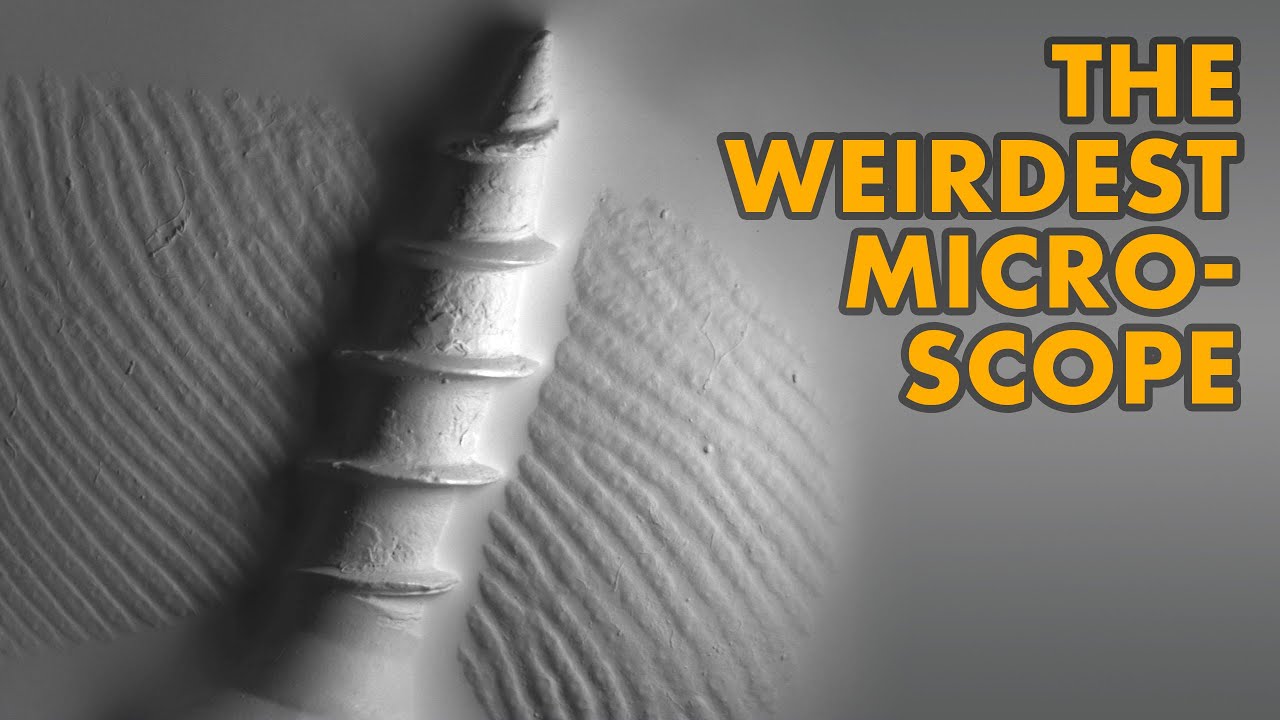

Steve Mould explains a genuinely mind-bending piece of tech: a microscope that lets you feel what you are looking at through touch feedback. It is calm, clearly explained, high-quality UK science content, and one of the more settling videos in this batch despite being genuinely intellectually stimulating.
At a glance
Will it actually calm them down?
 Excellent on Windy days (strong settling effect, genuinely engaging too)
 Decent help on Stormy days, once the worst has passed
Scores measure how reliably this video moves a child toward a settled, regulated state. In the Piko app, kids tell us their weather and we do the matching automatically.
The 3:45pm crash this is built for has a name, and knowing it helps: after-school restraint collapse, explained.
Which kids will love it?
Why it works
Steve Mould's style is measured and precise: he explains one idea at a time, lets it land, and never rushes to the next point before the last one makes sense. Our analysis clocks the average shot at 6.5 seconds and flags zero audio or visual triggers at all, with overall sensory intensity scored low. Safety scores a clean 100.
The regulation numbers are genuinely strong for content this intellectually engaging: 90 for settling a wound-up child, close to the top tier our calibration reserves for standout content, plus 70 for lifting a flat one and 60 for meltdown recovery. That combination, properly calming and genuinely fascinating at the same time, is not common.
It suits curious children and science enthusiasts well, and our scoring specifically flags UK families as a strong fit for this kind of quality educational content. The one caution is for very young children, our scoring flags the physics concepts as likely too abstract below a certain age, so this lands best with a child old enough to follow a genuine explanation.
When to reach for it
- The curious, science-minded child. A genuinely fascinating concept explained clearly, without ever talking down.
- Quality UK family viewing. Explicitly flagged by our scoring as a strong fit for UK families wanting good educational content.
- A wind-down that still engages the brain. A 90 for settling a wound-up child, unusually high for content this intellectually stimulating.
- Not for very young children. Our scoring flags the physics concepts as likely too abstract at that age.
Sensory & SEN notes
The engaging-without-frantic balance this video strikes is the one that tends to matter most for ADHD: what actually helps with ADHD and screen time.
If they love this, try these




Questions parents ask
What does the video actually explain?
A microscope fitted with touch feedback, so instead of just looking at a magnified image, you can feel its texture through a haptic device. Steve Mould walks through how and why it works.
What age does this suit?
Roughly 6 to 11. Our scoring flags very young children as a weaker fit given how abstract some of the physics concepts are.
Is it actually calming, or just quiet?
Genuinely calming and measurably so: 90 out of 100 for settling a wound-up child, near the top of what we measured in this batch, while still being intellectually engaging throughout.
Any sensory concerns?
None flagged. Zero audio or visual triggers, and overall sensory intensity is low. Safe across every SEN profile we track.
40+ checks per video, with a final pass from the review desk · Scored 17 July 2026 · We do not host videos; playback is via YouTube's official embed.