
The Butterfly Effect, properly explained: Veritasium for the curious older child
Real science, no dumbing down. Best for a child who asks 'but why' one too many times.
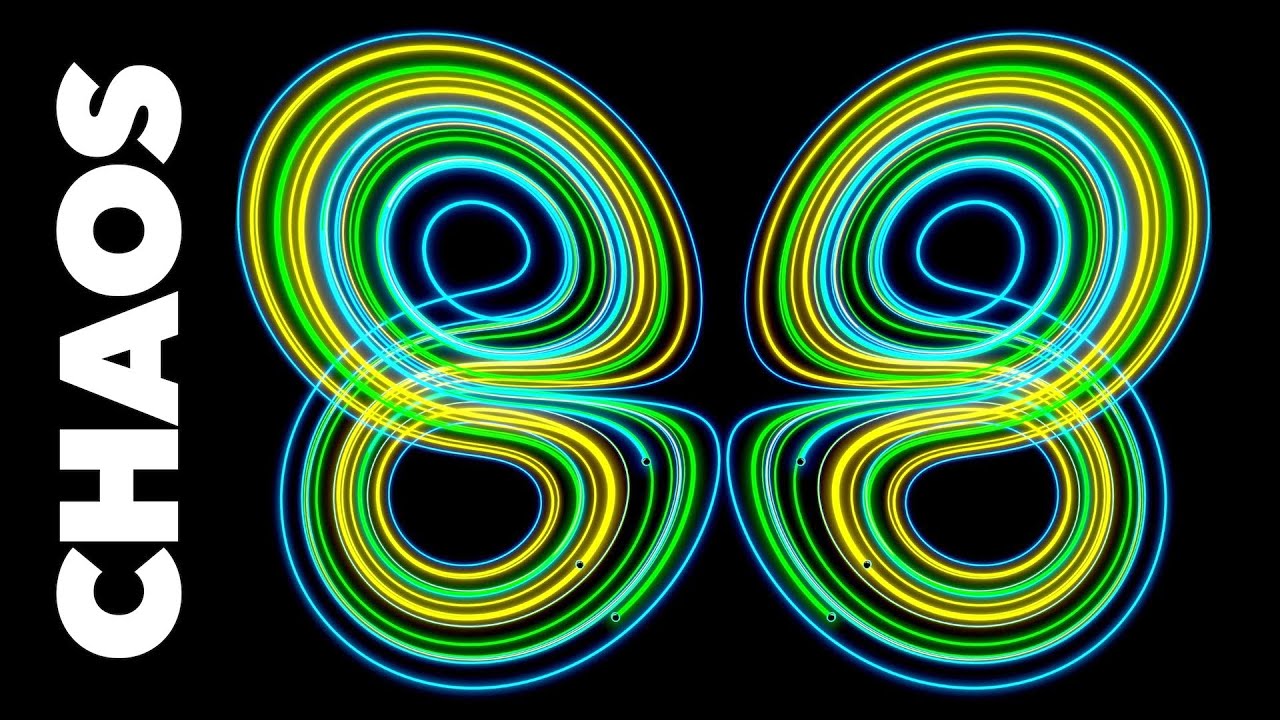

Derek Muller walks through chaos theory and the butterfly effect with the same calm, thorough approach Veritasium is known for. It's genuinely intelligent content, not a children's simplification, so it rewards a child who already likes to know how things really work rather than one looking for entertainment. Thirteen minutes, no shouting, no filler.
At a glance
Will it actually calm them down?
 Brilliant on Windy days (fizzy, wound-up)
 Good on Rainy days, gently lifts a flat mood
 Only for the tail end of a Stormy day, once things have settled some
Scores measure how reliably this video moves a child toward a settled, regulated state. In the Piko app, kids tell us their weather and we do the matching automatically.
Longer watches are easier to start than to stop: how to end screen time without a battle.
Which kids will love it?
Why it works
This is documentary-style explaining at a settled pace: our analysis clocks the average shot at 6.5 seconds, calm and steady throughout. There's no attempt to hook attention with fast cuts or loud stings, just clear visual demonstrations building one idea on top of the last.
The content itself is properly meaty. Chaos theory is a genuinely hard concept, and this doesn't flinch from that, which is exactly the point: kids who love this kind of thing don't want it watered down, they want it explained well. That is a rarer thing on YouTube than it should be.
The trade-off is honest too: the ideas are abstract, and a younger child is likely to lose the thread. This is one to save for the child who is already asking follow-up questions, not one you reach for to fill ten minutes.
When to reach for it
- The 'but why' phase, advanced mode. For a child who has outgrown simplified science explainers.
- Quiet independent viewing. Long enough and interesting enough to hold attention without a parent alongside.
- Homework or curiosity follow-up. Good if maths, weather, or 'why can't we predict things' has come up recently.
Sensory & SEN notes
If you are weighing this one up for an autistic child, the same checks we ran here are the ones worth running yourself: how to choose videos for autistic children.
If they love this, try these


Questions parents ask
What age is this actually for?
Our scoring flags it for older children, roughly 8 to 11. The concepts are genuinely abstract and tend to lose younger viewers.
Is this too advanced for a primary-age child?
Not for a curious one. It doesn't simplify the science, but it explains it clearly with visuals, which is exactly what makes hard ideas click for the right child.
Any content or sensory concerns?
None flagged. Safety scores 100, sensory intensity is low, and there's nothing frightening or overstimulating.
Is it calming or stimulating to watch?
Neither strongly. It's an engaged, attentive watch rather than a wind-down one, and it won't send energy levels up or down much either way.
40+ checks per video, with a final pass from the review desk · Scored 17 July 2026 · We do not host videos; playback is via YouTube's official embed.