
The Most Radioactive Places on Earth: Veritasium's real-world science deep dive
Nuclear disaster sites and genuine science, explained clearly. Fascinating rather than frightening, for the right age.
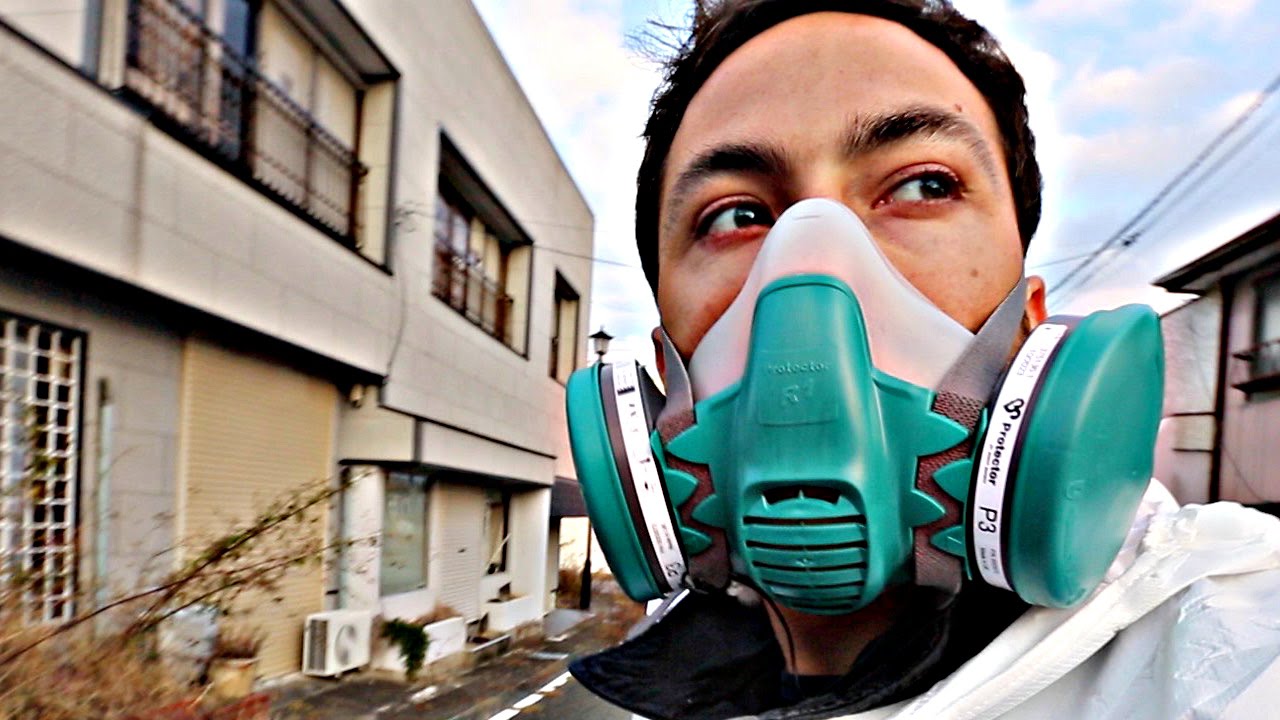

Derek Muller takes on real radioactive sites in Veritasium's usual clear, curious style. It's a proper science documentary rather than a listicle, and it holds up: measured, well-paced, genuinely educational. The subject matter, abandoned and irradiated real-world locations, means it's not anxiety-safe for every child, so it suits a curious, slightly older kid rather than one who startles easily at real-world danger.
At a glance
Will it actually calm them down?
 Helps on Windy days, though it's more absorbing than soothing
 Good on Rainy days for a curious mind needing a lift
 Not ideal for Stormy meltdown recovery, heavier subject matter
Scores measure how reliably this video moves a child toward a settled, regulated state. In the Piko app, kids tell us their weather and we do the matching automatically.
The zone labels in that chart come from a framework your school may already use: the Zones of Regulation, for parents.
Which kids will love it?
Why it works
Average shot length is 6.5 seconds, unhurried for YouTube, and the tone throughout is explanatory rather than sensationalist: no dramatic music stings built to scare, just Derek Muller walking through genuinely interesting science and history. Our scoring rates the energy effect as neutral, neither winding up nor calming down, which fits a documentary that wants your attention rather than your adrenaline.
The content itself covers real abandoned and radioactive locations, which is exactly why our safety scoring flags it as not anxiety-safe. This isn't jump-scare content, but a child who finds real-world disaster and abandonment unsettling may find the subject matter itself a lot, regardless of how calmly it's presented.
For the right child, a curious 9 or 10 year old with an appetite for science and slightly grown-up facts, this is genuinely excellent: clear explanations, real stakes, and none of the manufactured hype that clutters so much educational YouTube.
When to reach for it
- The 'why is the sky blue' kid's next obsession. For a genuinely curious child who wants real answers, not a simplified version.
- Car journey or after-school science fix. Steady pacing and a clear narrator, easy to follow without full-on concentration.
- Not for a child who's sensitive to real-world danger. Flagged as not anxiety-safe. Abandoned, radioactive settings may unsettle a worrier.
Sensory & SEN notes
If you are weighing this one up for an autistic child, the same checks we ran here are the ones worth running yourself: how to choose videos for autistic children.
If they love this, try these






Questions parents ask
Is this too scary or dark for kids?
It's not built to scare, there are no jump moments or horror-style tension, but it is flagged as not anxiety-safe. The subject matter, real abandoned and radioactive places, can genuinely unsettle a child who worries about real-world danger, so it's worth knowing your child before pressing play.
What age is this best for?
This suits curious, older primary-age children, roughly 9 and up, who are ready for real facts and slightly grown-up subject matter. Very young children are flagged as a poor fit.
Is it calming or exciting?
Neither, really, our scoring rates it neutral for energy effect. It's steady and explanatory rather than hyped up, but the heavier subject matter means it's not a settling bedtime watch either.
Is there anything educational here beyond the shock factor?
Yes, genuinely so. This is real science and history, not a clickbait list. Derek Muller's explanations are clear and well-paced, better suited to learning than to a quick thrill.
40+ checks per video, with a final pass from the review desk · Scored 17 July 2026 · We do not host videos; playback is via YouTube's official embed.