
What Is the Sun Made Of?: SciShow Kids meets a real astrophysicist
A five-minute science explainer that introduces Dr. Cecilia Payne-Gaposchkin, scoring 95 for Explorers aged 8 to 9.
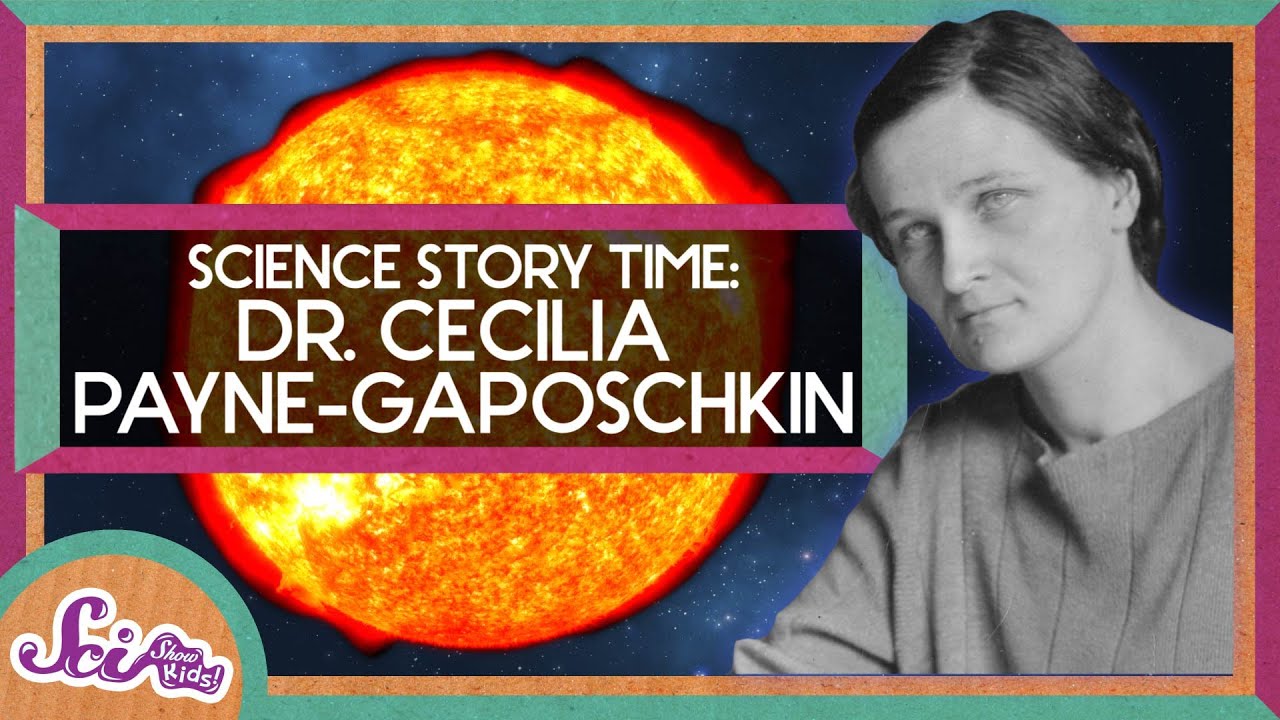

SciShow Kids does genuine science history here, not just facts about the sun but the real story of Dr. Cecilia Payne-Gaposchkin, the astrophysicist who worked out what stars are made of. Explorer scores 95 at ages 8 to 9, and our curator notes flag it for curious children who love space and calm, informative presenters. It's a solid rather than exceptional settling watch (yellow-to-green sits at a moderate 70), better suited to curious daytime viewing than a specific wind-down routine.
At a glance
Will it actually calm them down?
 A reasonable, if not top-tier, settler
 Good for lifting a flat, tired mood
Scores measure how reliably this video moves a child toward a settled, regulated state. In the Piko app, kids tell us their weather and we do the matching automatically.
The skill every one of these picks is trying to support: what self-regulation in children means.
Which kids will love it?
Why it works
A warm presenter voice carries this one, moderate energy, a 5.2-second average shot length and a pacing score of 75, brisk enough to hold attention without ever feeling frantic. It's tagged educational show, animation and live action, mixing real explanation with visual aids.
Explorer scores 95 at ages 8 to 9, staying at 90 for 10 to 11 and 85 at 6 to 7, so it plays best for a genuinely curious child rather than one after pure entertainment. Independent scores 80 at the peak age too, meaning it also respects a child happy to take the science in without extra hand-holding.
It's not among our calmest picks (yellow-to-green sits at 70, red-to-green at just 40), so it's better used as engaged, curious daytime viewing than a specific settling video. Bright colours are flagged visually, with overall sensory intensity rated moderate, worth knowing if your child is visually sensitive, though there's nothing flagged in the audio at all.
When to reach for it
- Curious daytime viewing. A genuine science explainer for a child who loves asking how things work.
- Home-schooling supplement. Our curator notes specifically flag it as good for classroom or home-school use.
- Space-mad afternoons. Real astronomy history, not just facts, introduces a genuine astrophysicist.
Sensory & SEN notes
If you are weighing this one up for an autistic child, the same checks we ran here are the ones worth running yourself: how to choose videos for autistic children.
If they love this, try these



Questions parents ask
Who is Cecilia Payne-Gaposchkin, and why is she in a kids' science video?
She was a real astrophysicist who worked out what stars, including our sun, are actually made of, and this video specifically covers her history alongside the science itself. Our topics data tags both 'women in science' and her name directly, so it's genuine science history rather than an anonymous explainer.
What age does this science video suit?
Explorer scores 95 at ages 8 to 9, staying strong at 10 to 11 (90) and 6 to 7 (85), so it works well across most of primary school. Younger children (4 to 5) score noticeably lower at 65, likely needing more support to follow the spoken science explanation all the way through.
Is it good for calming a wound-up child?
Not especially. Yellow-to-green sits at a moderate 70, decent but well below our calmest picks, and red-to-green (meltdown recovery) is only 40. It works better as engaged, curious viewing for a child in a reasonably settled state already than as a wind-down or meltdown-recovery video specifically.
Is there anything sensory to be aware of?
Bright colours are flagged visually, and overall sensory intensity is rated moderate rather than low, though there's nothing flagged in the audio at all. It's still rated ASD-safe, PDA-safe and anxiety-safe overall, so it's a considered rather than top-tier pick for a visually sensitive child specifically.
40+ checks per video, with a final pass from the review desk · Scored 11 July 2026 · We do not host videos; playback is via YouTube's official embed.