Tensegrity Explained: Steve Mould's calm LEGO physics deep-dive
Eleven minutes of genuine structural engineering with LEGO, scoring 95 for Explorers aged 8 to 9.
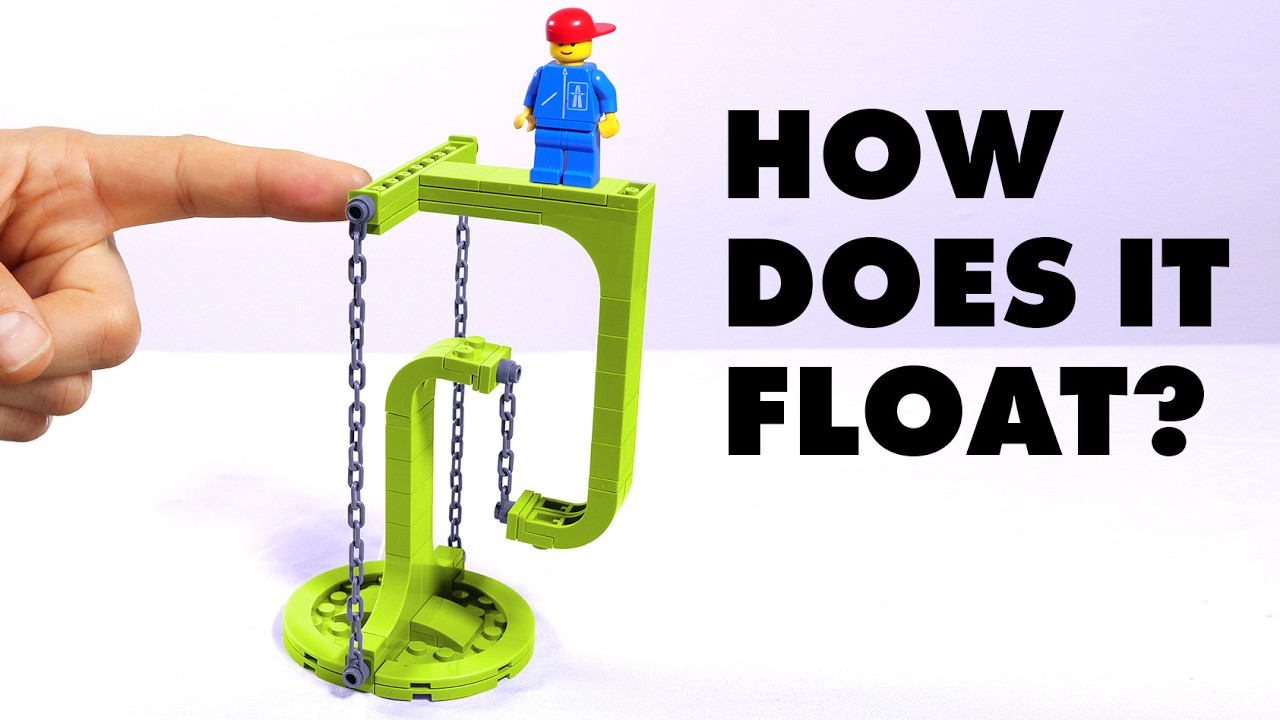

Steve Mould does proper science communication here: tensegrity structures explained through LEGO, calm and genuinely curious rather than shouty. Explorer scores 95 at ages 8 to 9, with Maker and Independent both close behind at 90. Our curator notes flag it for curious children who love LEGO and science, and quiet STEM-focused viewing generally, though it won't suit a child after high-energy cartoon action.
At a glance
Will it actually calm them down?
 Settles wound-up energy well
 Gentle lift for a flat afternoon too
Scores measure how reliably this video moves a child toward a settled, regulated state. In the Piko app, kids tell us their weather and we do the matching automatically.
Our age band is a starting point rather than a rule: what age videos your child should actually watch.
Which kids will love it?
Why it works
This is calm science communication: a warm presenter voice, moderate energy, annoyance score just 1 out of 10, with a 6.5-second average shot length and a pacing score of 85. It's tagged educational show, tutorial and science experiment rather than cartoon or performance, genuine physics content rather than a simplified version of it.
Explorer hits 95 at ages 8 to 9 and 10 to 11, with Maker and Independent both scoring 90 at the peak age too, so it plays well both for a child who wants to understand how something works and one who might want to build a tensegrity structure themselves afterward. Yellow-to-green scores 90, a strong calming figure for content this information-dense.
It tapers for younger viewers (Explorer sits at 65 for 4 to 5 year olds), so it's best matched to a child who already has some patience for spoken explanation. Red-to-green (meltdown recovery) is a moderate 60, useful but not among our very top picks for that specific job, better suited to curious, settled viewing than active meltdown recovery.
When to reach for it
- Calm-down before bed. Scores 90 for settling wound-up energy, calm and genuinely curious.
- Rainy afternoon. A proper watch-then-build session for a child with LEGO to hand.
- Twenty minutes to cook dinner. A natural-endpoint science explainer that runs the length of a meal prep.
Sensory & SEN notes
The engaging-without-frantic balance this video strikes is the one that tends to matter most for ADHD: what actually helps with ADHD and screen time.
If they love this, try these





Questions parents ask
Does my child need to already understand physics?
Not at all; that's rather the point of the video, Steve Mould explains tensegrity structures from first principles using LEGO as a visual aid. Instructional level is rated medium rather than high, so it walks through the idea without assuming prior knowledge, though a curious, patient child will get the most from it.
What age is this best suited to?
Explorer scores 95 at both 8 to 9 and 10 to 11, with Maker and Independent close behind, so it's aimed squarely at the older end of primary school. Younger children (4 to 5) score noticeably lower at 65, likely needing more support to follow the spoken explanation all the way through.
Is it calm enough for a wound-up child?
Yes, yellow-to-green scores 90, a strong figure for content this information-dense, helped by a warm, moderate-energy presenter and a suggestion-based rather than demand-led tone. It's not our top pick for meltdown recovery specifically though (red-to-green sits at 60), so it works best for settling rather than active de-escalation.
Do we need LEGO to enjoy this video?
No, LEGO is used as a visual demonstration tool within the video itself, so you can watch without owning any. That said, our curator notes flag it as especially good for children who love LEGO and science together, and having some bricks to hand afterward makes a nice rainy-afternoon follow-up activity.
40+ checks per video, with a final pass from the review desk · Scored 11 July 2026 · We do not host videos; playback is via YouTube's official embed.