
MrBeast · Neurodiversity and sensory profiles
MrBeast, PDA and Switch-Off Battles
For a PDA child the fight rarely starts with the video, it starts the moment someone says stop. 239 of our 314 shelf picks for this channel are chosen for exactly that moment: an ending your child reaches, not one you announce.
The demand to stop is the trigger, not the video
Most advice about MrBeast and children starts with pace, the cuts, the shouting, the noise that arrives without warning. For a PDA child that conversation misses where the real trouble tends to start. The video itself is rarely the problem. The moment someone says turn it off now often is, because a demand landing without warning is usually what sets off the resistance, whatever happens to be on screen at the time.
Two hundred and thirty-nine of our 314 shelf picks for this channel carry a review note built around exactly that distinction. Our reviewers describe them as suggestion-led rather than instructing: nobody on screen tells the viewer what to do, invites them to copy anything, or asks them to keep up. That's a different bar to the one we use for pace or sensory load, and for a PDA child it's often the one that matters most.
Built to make the ending itself feel like a loss
Then there's the shape of the videos themselves. Channel-wide, across everything we watched, 219 end on what we call a cliffhanger, built to hand the viewer straight into whatever plays next rather than let the current video close. Only 545 reach a genuine stopping point where the task or the story actually resolves.
For a PDA child that gap does real work. A video with no natural endpoint never hands control back on its own, so when the request to stop arrives it lands as a second demand stacked on the first: the video hasn't finished, and now you're asking for something too. Picking from the videos that do finish removes half of that stack before the conversation even starts.
What a video that ends itself actually looks like
The picks below are chosen for exactly this. Epic minecraft apartment complex! runs 53 seconds and stops when the build stops, nothing dragged out and nothing left open once it's finished. Our review note for it is blunt: zero demand, nobody instructed, invited or challenged at any point. Amazing minecraft Cathedral! runs the same way, closing on the finished build rather than a hook, and the note reads just as plainly: low demand, nothing to answer, copy or keep up with.
Length isn't what makes these work. The Vortex SMP Episode 1 runs twenty-five minutes and still lands in the same place. Our note for it says nothing here tells your child what to do, and it closes on the session ending rather than teasing the next one. A finish line a child can see coming matters more than how long it takes to reach it. If low sensory load matters as much as low demand in your house, the calmest picks on this channel are worth checking against the same list.
Autonomy has to be built in before you press play
None of this works if the choosing happens after a fight has already started. The video and the stopping rule both need deciding while nobody is asking anything of anyone yet, which is a genuinely different conversation to one held mid-episode. Let your child choose which video plays, and agree together how it ends, before either of you presses play.
From there, the job is mostly to get out of the way. A video with a real ending does the ending. You don't need to announce it, count down over it, or step in with your own version of stop, because the video is already doing that work. Narrating the close while it's still playing, even gently, reintroduces the exact demand you were trying to avoid. Our piece on why MrBeast is hard to switch off generally goes into why so few uploads on this channel give you that gap to work with in the first place, and our wider guide to ending screen time without a battle covers the same idea beyond this one channel.
This isn't about getting a PDA child to comply
Nothing here is a way of engineering agreement out of a child who doesn't want to give it. The aim is fewer flashpoints, not a smoother route to the same demand. A child who chose the video, chose the stopping rule, and watched something built to actually end isn't being managed into compliance, they're being handed back the parts of the moment that were theirs to begin with.
Some days it will still go wrong, and that isn't a sign the approach failed or that your child did something wrong. It just means today wasn't a day for it. The six picks below are a place to start, and the full MrBeast hub has the rest of the 314 for the days a longer session, or a different mood, calls for something else.
Six picks that end themselves
Chosen from the 239 PDA-aware shelf picks for a genuine finish line, not just a quiet soundtrack.
 Epic minecraft apartment complex!1 min · ages 8-9Fifty-three seconds, stops when the build stops
 Amazing minecraft Cathedral!1 min · ages 8-9Closes on the finished build, nothing dragged out
 Crazy Illulsions In Minecraft. (Bigre)3 min · ages 8-9One puzzle, done when it is solved
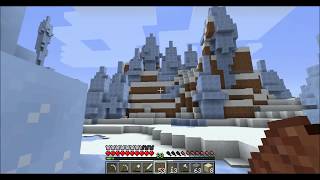 The Vortex Smp Episode 1! Just Derping Around and Explaining Things.25 min · ages 8-9Twenty-five minutes, still lands on a real close
 Minecraft Let's Play Ep. #2 - Having Fun and Derping!15 min · ages 10-11Suggestion-led throughout, ends on the session finishing
 Hi Me in 10 Years3 min · ages 8-9A reflection with nothing asked of the viewer
Setting it up before you press play
- Let your child choose the video, and the stopping rule, togetherBoth decisions happen before playback starts, while nobody is asking anything of anyone yet. A rule agreed in advance is a plan. The same rule announced mid-video is a demand.
- Pick something with a genuine finish lineA build that closes when the build closes, or a let's-play that ends on the session wrapping up, gives your child something to reach. A video with no natural endpoint never hands control back on its own.
- Let the ending do the endingOnce you have picked a video that actually finishes, there is nothing left for you to announce. The screen going quiet does the work a countdown or a warning would otherwise have to do.
- Stay out of the last thirty secondsNarrating the close while it's still playing, even gently, reintroduces the demand you were trying to avoid. Let it land on its own.
Questions parents ask
Why does my PDA child fight so hard when I try to end a MrBeast video?
Often it's the ending itself, not the video. 219 of the 978 uploads we reviewed are built to hook into whatever plays next rather than close properly, so there's rarely a natural point for a request to stop to land. Picking from videos that do finish tends to remove one demand from the moment before you've said anything.
Does a shorter MrBeast video mean an easier switch-off for a PDA child?
Not on its own. The Vortex SMP Episode 1 runs twenty-five minutes and still closes properly, while some far shorter uploads are built as a cliffhanger into the next one. What matters is whether the video reaches a genuine finish, not how long it takes to get there.
Should I give my PDA child a countdown before switching off?
A countdown announced while the video is still playing is still a demand arriving without warning, which is often exactly what triggers the resistance. Agreeing the stopping rule before you press play, then letting a video that actually ends do that work itself, tends to sit better than a warning mid-episode.
What if my PDA child still gets upset even after we agreed a video and a stopping point?
That happens, and it isn't a sign the approach failed or that your child did anything wrong. Some days the same plan won't land the same way. The aim is fewer flashpoints over time, not a guaranteed calm ending every single time.